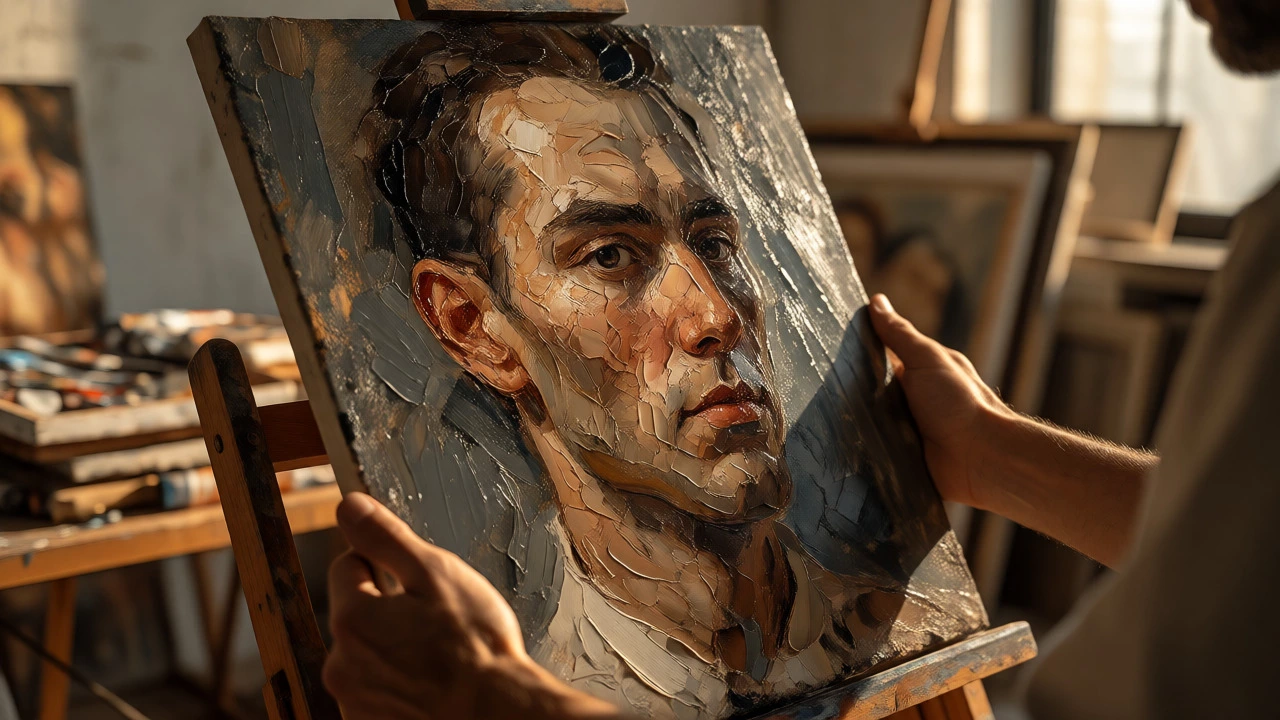
Portrait Pricing Estimator
Use this tool to estimate a fair price for a commissioned portrait or to determine what you should charge as an artist. The calculation uses the formula: (Hourly Wage × Hours) + Materials + Overhead + Profit Margin, adjusted for market tiers.
Commission Details
Estimated Market Value
Cost Breakdown Estimate
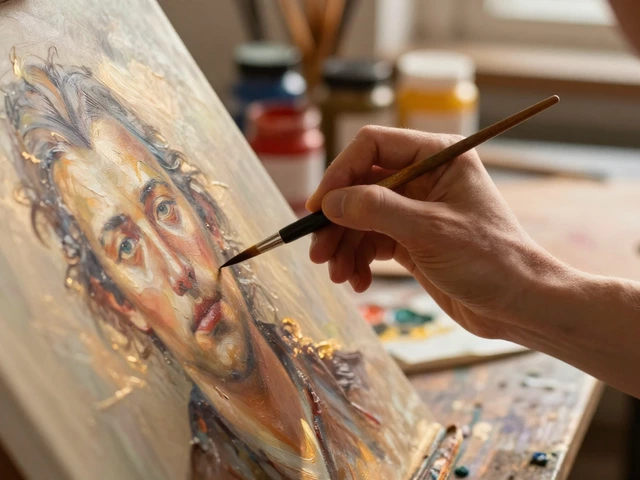
You just finished a stunning oil portrait. The lighting is perfect, the likeness is uncanny, and you’re ready to sell. Then comes the panic: How much do portraits sell for?
There is no single price tag for art. A beginner’s student sketch might go for $50 at a local market, while a Renaissance-style masterpiece by an established master can fetch millions. But most working artists fall somewhere in the middle, struggling to find that sweet spot where they get paid fairly without scaring off buyers.
Let’s cut through the noise. We aren’t talking about abstract theory here. We are looking at real-world numbers, the psychology of buying art, and the specific factors that push a portrait from "nice" to "must-have." Whether you are an artist trying to price your work or a collector wondering if that $2,000 commission is fair, this guide breaks down the actual economics of the portrait market in 2026.
The Three Tiers of Portrait Pricing
To understand what a portrait sells for, you have to look at who is selling it. The market isn’t a flat line; it’s a ladder. Where you stand on that ladder determines your baseline price.
| Artist Tier | Typical Price Range (USD) | Buyer Profile | Sales Channel |
|---|---|---|---|
| Emerging / Hobbyist | $150 - $800 | Friends, family, first-time collectors | Etsy, Local Markets, Instagram |
| Established Professional | $1,000 - $5,000 | Corporate clients, interior designers | Galleries, Art Fairs, Direct Commissions |
| Blue-Chip / Master | $10,000+ | Museums, High-net-worth individuals | Auction Houses, Exclusive Galleries |
Most people asking "how much do portraits sell for?" are aiming for that middle tier. That’s where the bulk of professional commissions happen. But getting there requires more than just good brushstrokes. It requires visibility, consistency, and a track record.
The Formula: Time + Skill + Scarcity
Artists often hate putting a number on their soul, but business demands it. If you are pricing your own work, stop guessing. Use the standard formula that successful galleries use:
Price = (Hourly Wage × Hours Worked) + Material Costs + Overhead + Profit Margin
Let’s break that down with a realistic example. Say you spend 20 hours on a medium-sized acrylic portrait. You pay yourself a modest $30/hour (which is low for skilled labor, but common for starters). That’s $600 in labor. Add $100 for canvas, paints, and framing. Now you’re at $700. If you want to make a profit and account for marketing time, you might multiply the total by 1.5 or 2. So, that portrait should list for $1,050 to $1,400.
Why does this matter? Because underpricing hurts you twice. First, you don’t make enough money to sustain your practice. Second, cheap prices signal low quality to serious buyers. If a corporate client sees a portrait for $200, they assume it’s a quick sketch, not a heirloom piece. They won’t hang it in their boardroom.
Medium Matters: Oil vs. Digital vs. Photography
The type of portrait changes the price significantly. Not because one is "better," but because of production costs and perceived longevity.
- Oil Paintings: These command the highest prices among traditional media. Why? Oils take weeks or months to dry and cure. They are durable, archival, and carry historical prestige. A high-quality oil portrait rarely sells for less than $1,500 unless the artist is brand new.
- Acrylics & Watercolors: Faster drying times mean faster turnover. This allows artists to sell more pieces at lower price points ($500-$1,500). However, watercolors are fragile and require expensive glass framing, which adds to the final bill for the buyer.
- Digital Art: This is the wild west. Prices range from $50 for a custom avatar to $5,000+ for detailed illustrations used in advertising. The catch? Digital files are infinitely reproducible. To sell them as "art," artists must limit editions (e.g., only 10 prints sold) or offer exclusive rights.
- Photography: Fine art photography portraits often sit between painting and digital illustration. Limited edition prints can sell for $300-$2,000 depending on the photographer’s reputation and print size.
Size and Complexity: The Hidden Multipliers
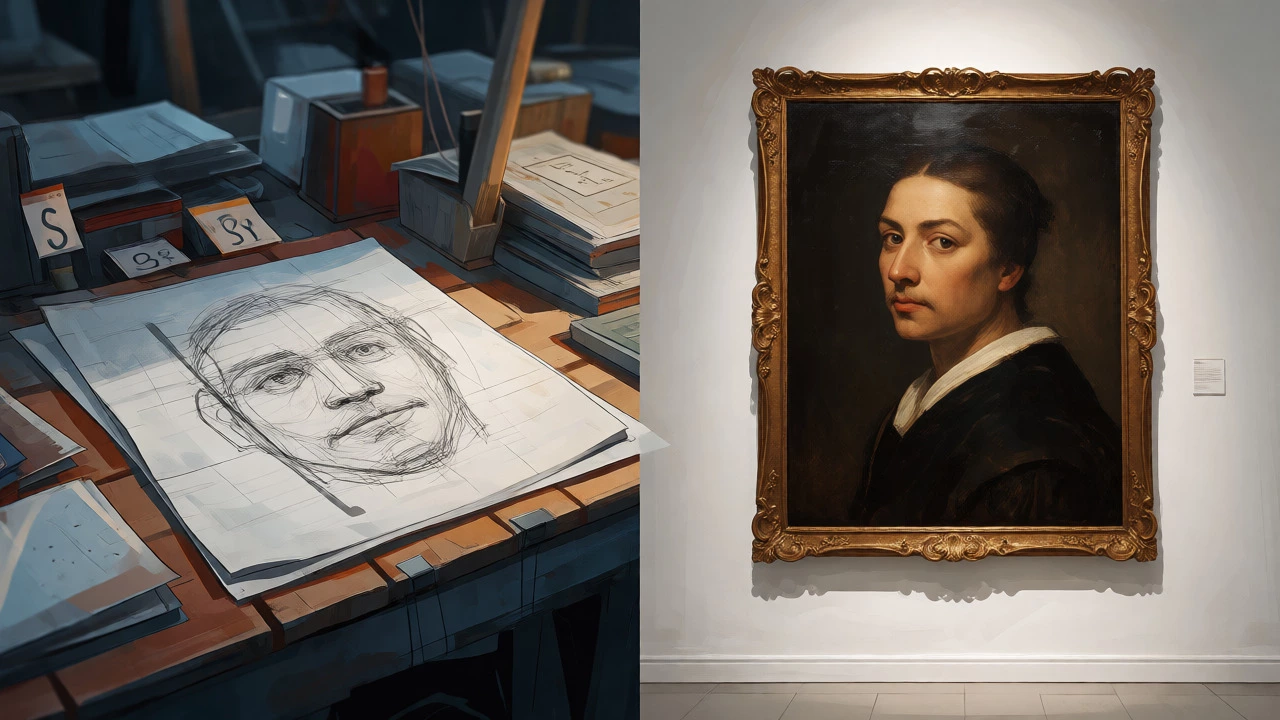
Don’t underestimate the power of scale. A 12x16 inch headshot is easy to ship and store. A 4x6 foot full-body family portrait is a logistical nightmare. Larger works require more materials, more studio space, and more shipping risk. Therefore, larger portraits almost always cost more per square inch.
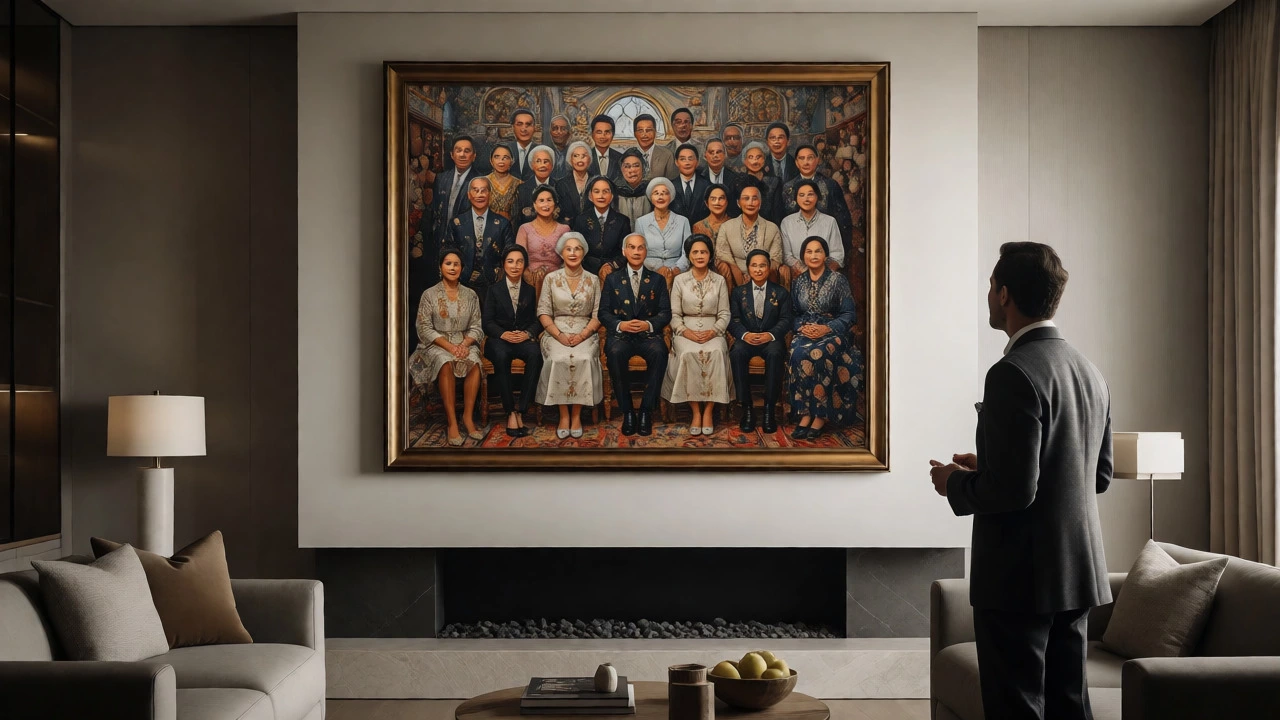
Complexity also drives up the price. A solo bust-length portrait is straightforward. A group portrait with five people, each with distinct expressions and clothing textures, takes exponentially longer to resolve. Every additional subject adds roughly 20-30% to the estimated time and cost. If you’re commissioning a piece, expect to pay a premium for complexity.
Where Are Portraits Sold? (And What They Take Out)
Knowing where the sale happens helps you understand the final price tag. The platform dictates the markup.
If you buy directly from the artist, you avoid gallery fees. Galleries typically take a 40-50% commission. So, if a gallery sells a portrait for $2,000, the artist only keeps $1,000-$1,200. If you buy that same style of work directly from the artist’s website, it might be priced at $1,200. You save money; the artist makes the same amount. Win-win?
Not always. Buying from a gallery offers validation. It means a curator vetted the work. For high-end collectors, that stamp of approval is worth the extra cash. Online platforms like Etsy or Saatchi Art take smaller cuts (10-20%) but drive traffic through algorithms. Here, competition is fierce, so prices tend to stay competitive and lower.
The "Likeness" Factor: Celebrity vs. Anonymous
Here is a controversial truth: sometimes the face matters more than the skill. A mediocre portrait of a famous person can sell for thousands simply because of the name attached to it. Conversely, a brilliant portrait of an unknown subject relies entirely on aesthetic appeal.
For private commissions, the buyer is paying for the emotional connection to their loved one. This is why pet portraits and children’s portraits hold steady demand regardless of economic downturns. People will cut back on luxury goods, but they rarely skip a gift for their newborn or their dog. This emotional utility creates a resilient market segment.
How to Tell if a Price is Fair
If you are a buyer, how do you know you aren’t being ripped off? Look for these signals:
- Consistency: Does the artist have a portfolio of similar works sold at similar prices? Check their past sales history if possible.
- Professionalism: Did they provide a clear contract, timeline, and proof process? High prices usually come with high service standards.
- Materials: Ask what they use. Archival oils and linen canvas justify higher prices than student-grade acrylics on paper.
- Reputation: Have they been featured in magazines, won awards, or exhibited in reputable venues? Social media followers are nice, but press coverage is better currency.
If an artist quotes $5,000 for a small watercolor done in two days, ask questions. If they quote $5,000 for a large oil painting that took three months and has won awards, it’s likely fair.
Trends Shaping Portrait Prices in 2026
The art world doesn’t exist in a vacuum. Two major trends are currently influencing portrait values.
First, the rise of AI-generated imagery has flooded the market with cheap, instant "portraits." This has forced human artists to emphasize what AI cannot replicate: physical texture, unique brushwork, and the story behind the creation. Hand-made imperfections are now features, not bugs. Artists are leaning into thick impasto techniques and unconventional materials to justify higher prices over digital alternatives.
Second, sustainability is becoming a selling point. Buyers are asking about non-toxic paints, ethically sourced canvases, and carbon-neutral shipping. Artists who can certify their eco-friendly practices often charge a slight premium, appealing to environmentally conscious collectors.
Final Thoughts: Value is Negotiable, Quality Isn’t
So, how much do portraits sell for? Anywhere from $50 to $5 million. But for the vast majority of working artists and everyday buyers, the realistic range is $500 to $3,000.
If you are an artist, start with the formula. Don’t undersell your time. If you are a buyer, remember that you are purchasing time, skill, and emotion. Cheap portraits often end up in the closet. Well-priced, well-crafted portraits become family heirlooms. Know your budget, respect the craft, and you’ll find the right match.
What is the average price for a custom oil portrait?
For a professional, mid-level artist, a custom oil portrait typically ranges from $1,500 to $4,000 depending on size and detail. Emerging artists may charge $500-$1,000, while established masters can charge $10,000 or more.
Why are digital portraits cheaper than paintings?
Digital portraits are generally cheaper because they have no material costs (no canvas or paint), faster production times, and are easily reproducible. However, limited edition digital prints can still command high prices if the artist is well-known.
Do framed portraits sell for more?
Yes, framing adds significant value and cost. Custom framing can add $100-$500+ to the price. Framed pieces are also easier for buyers to display immediately, making them more attractive than unframed works.
Is it better to buy art from a gallery or directly from the artist?
Buying directly is usually cheaper (saving 40-50% in gallery fees). Buying from a gallery offers curated selection and potential resale value validation. Choose direct for personal connections and budget; choose galleries for investment-grade pieces.
How long does it take to complete a commissioned portrait?
Small sketches or digital portraits may take 1-2 weeks. Medium oil paintings typically take 4-8 weeks due to drying time. Large, complex family portraits can take 3-6 months. Always confirm timelines in writing before paying.