Sculpture Purpose Explorer
Select a function below to discover how sculpture serves that purpose in the real world.
Walk into a museum or stroll through a city park, and you’ll likely encounter a statue. Maybe it’s a bronze figure of a historical leader, a twisted piece of metal that looks like nothing you’ve seen before, or a smooth stone block that seems to defy gravity. You might stand there, tilting your head, wondering: what is the purpose of sculpture art?
It’s a fair question. Unlike a painting, which frames a view for you, or a song, which washes over you in time, sculpture demands space. It occupies the same physical realm as you do. It blocks your path, casts a shadow, and forces you to walk around it. This physical presence isn’t an accident; it’s the core of why sculpture exists. It serves functions ranging from preserving history to challenging our perception of reality.
| Function | Description | Example Context |
|---|---|---|
| Commemoration | Honoring individuals or events to preserve memory. | War memorials, statues of leaders. |
| Aesthetic Enhancement | Adding visual interest and beauty to spaces. | Park installations, architectural details. |
| Spiritual/Ritual | Representing deities or aiding worship. | Temple idols, cathedral gargoyles. |
| Social Commentary | Critiquing society or politics through form. | Protest art, conceptual installations. |
| Architectural Integration | Structural support or decorative facade elements. | Gothic columns, modern building facades. |
Preserving History and Memory
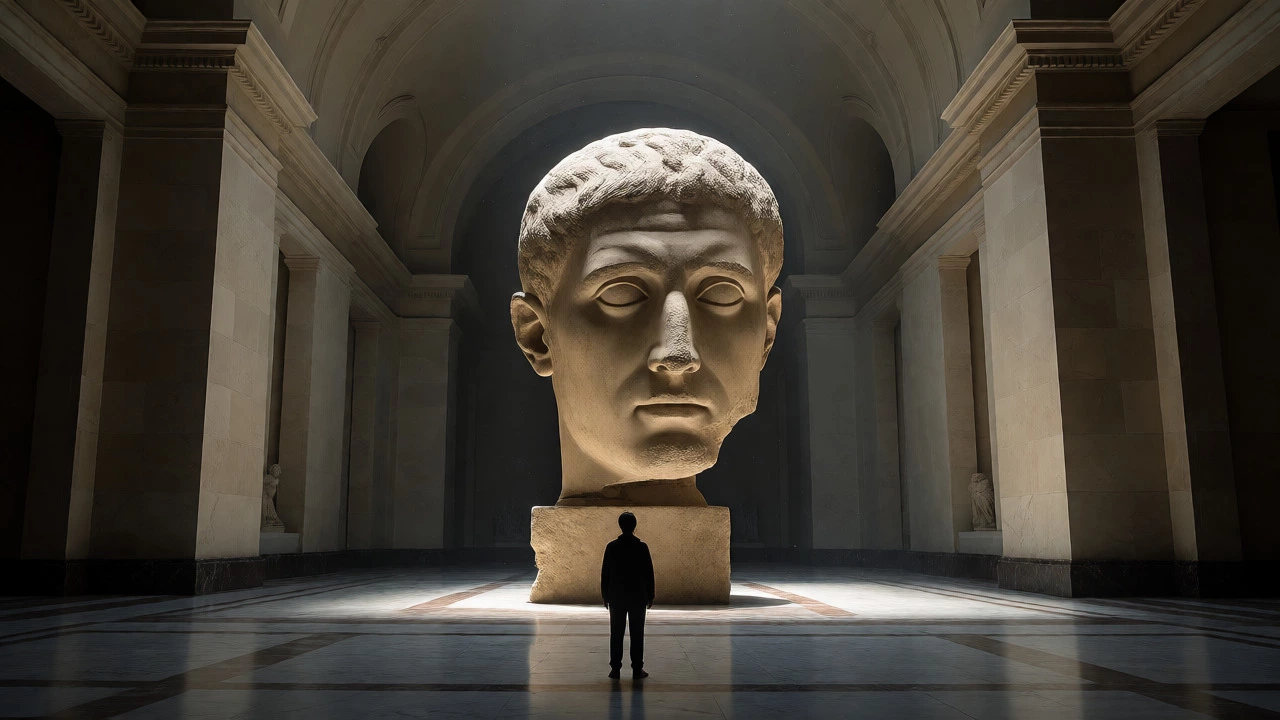
For thousands of years, one of the primary jobs of sculpture was to make sure we didn’t forget. Before photography, before video, if you wanted to remember what a king looked like, you carved him in stone. Monumental sculpture serves as a tangible link to the past, anchoring collective memory in physical form. Think about the Roman emperors whose busts still line museums today. They weren’t just pretty faces; they were propaganda tools designed to project power and stability across vast territories.
This function hasn’t disappeared. When a community raises a statue after a war, they aren’t just decorating a plaza. They are creating a focal point for grief and gratitude. The Vietnam Veterans Memorial in Washington D.C., while technically a wall, operates on sculptural principles of weight and presence. It forces visitors to confront names etched in black granite, making the abstract concept of loss feel heavy and real. If the statue disappears, the shared memory often fades with it.
Challenging Perception and Space
If commemoration is about looking back, much of modern sculpture is about waking up. Artists use three dimensions to break the fourth wall between the viewer and the art. Installation art transforms entire environments, requiring the viewer to move through and interact with the work rather than just observe it. Consider the difference between seeing a photo of a room and standing inside a room filled with suspended objects. Your body becomes part of the experience.
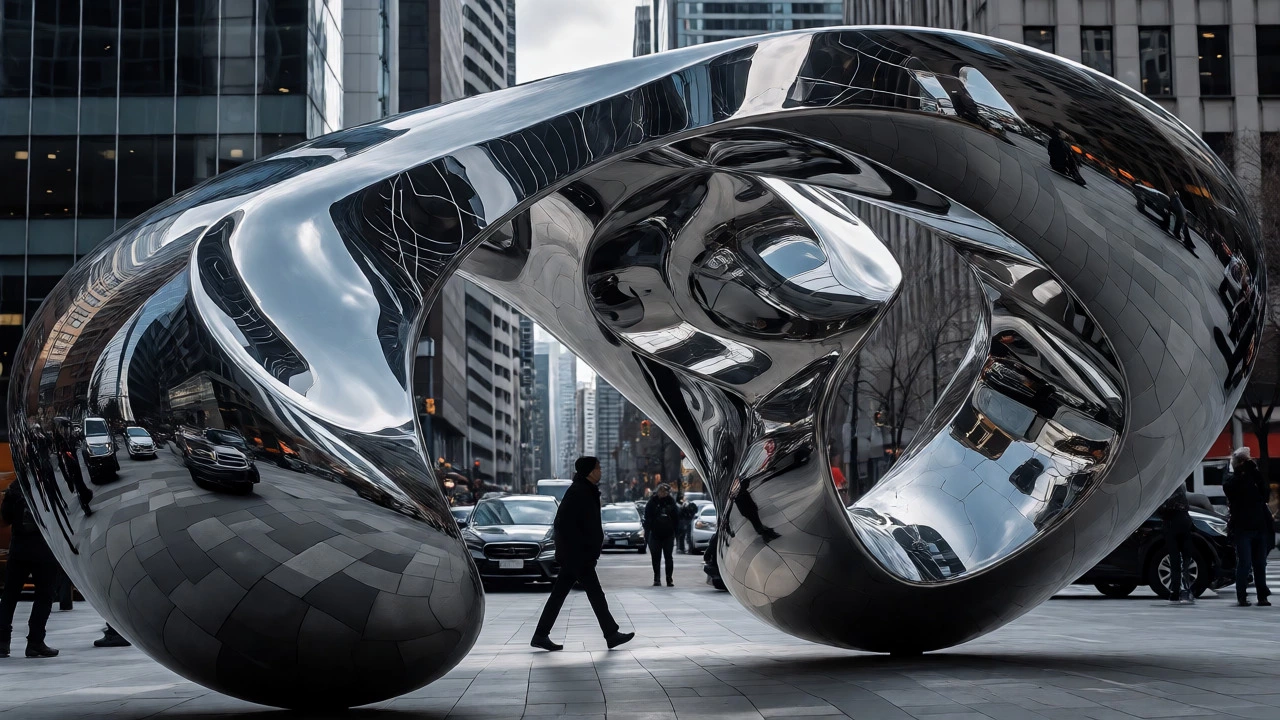
This interaction changes how we understand space. Traditional sculptures sit on pedestals, saying "do not touch." Contemporary works often invite you to walk under, over, or through them. Anish Kapoor’s Vauxhall Cross in London, for instance, uses mirrored surfaces to reflect the chaotic traffic around it, blending the artwork with its environment. The purpose here isn’t to show you something new, but to make you see the familiar world differently. It disrupts your routine. You stop scrolling on your phone because the reflection caught your eye.
Expressing the Ineffable
Some things are too big or too complex for words. How do you describe the feeling of awe when looking at the night sky? Or the pain of a broken relationship? Painting can capture a moment, but sculpture captures volume and mass. It allows artists to give physical form to emotions. Michelangelo’s Pietà doesn’t just show Mary holding Jesus; the smoothness of the marble versus the roughness of the drapery creates a tactile sense of sorrow and tenderness that words struggle to match.
Abstract sculpture takes this further by removing recognizable figures entirely. Henry Moore’s large, hollowed-out forms don’t look like people, yet they evoke the human body. They suggest shelter, vulnerability, and organic growth. By stripping away specific identities, these works allow viewers to project their own feelings onto the shape. It’s a conversation without language, relying on universal human responses to balance, weight, and texture.
Spiritual and Ritualistic Roles
We often forget that for most of human history, sculpture wasn’t meant for galleries. It was sacred. In Hindu temples, the murti (statue) is not just a representation of the deity; it is considered a vessel for the divine presence during rituals. The act of carving the eyes of the statue is a ceremony itself. Here, the purpose of sculpture is functional in a spiritual sense-it bridges the gap between the human and the divine.
Even in secular contexts, we treat certain objects with similar reverence. Think about family heirlooms passed down through generations. They carry emotional weight that goes beyond their material value. Sculpture has always served this ritualistic need, providing a focal point for devotion, prayer, or meditation. Whether it’s a Buddhist statue in a quiet garden or a crucifix in a church, the physical object helps anchor intangible beliefs.
Social Commentary and Protest
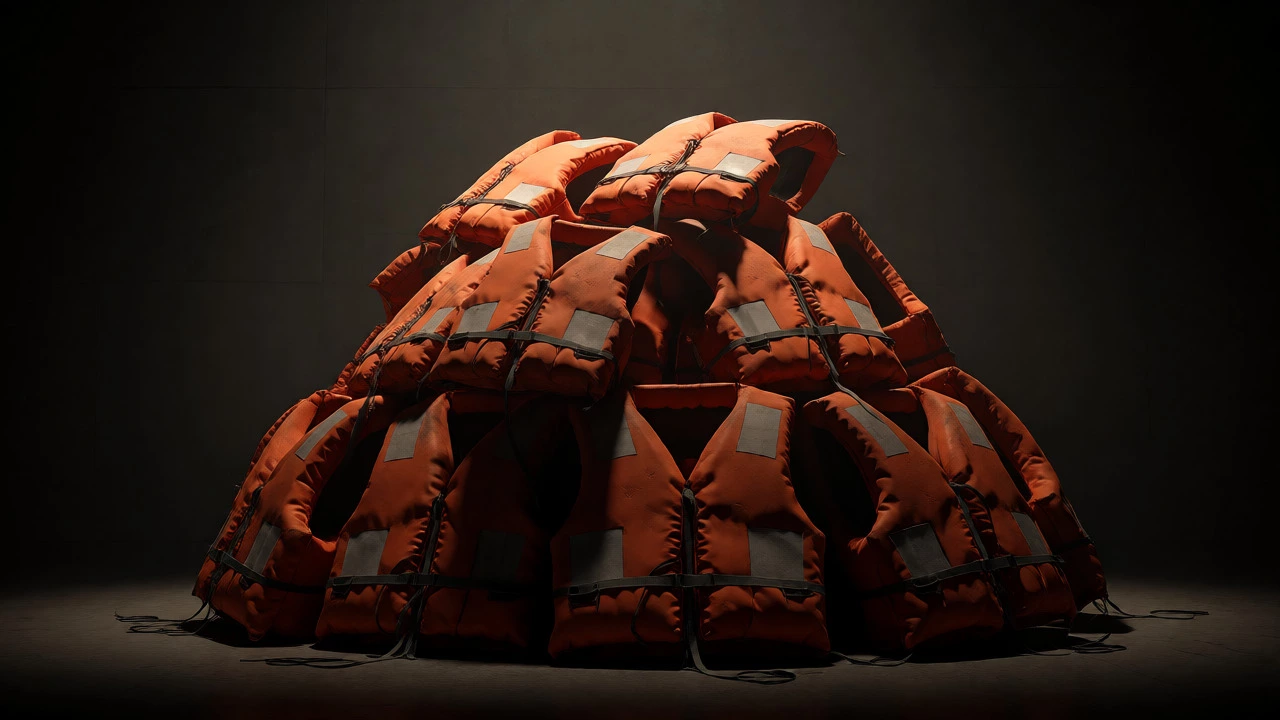
Sculpture is loud. Because it takes up public space, it cannot be ignored. This makes it a powerful tool for social commentary. Banksy’s temporary sculptures or Ai Weiwei’s installations using life jackets from refugees turn political issues into undeniable physical realities. You can scroll past a news headline, but you can’t easily ignore a pile of actual life vests stacked in a museum gallery.
The removal of controversial statues in recent years highlights this power. When communities debate taking down Confederate monuments or colonial figures, they are arguing about the purpose of those sculptures. Are they honoring history, or are they celebrating oppression? The sculpture becomes a battleground for values. Its purpose shifts from passive decoration to active participant in the cultural dialogue. It forces us to ask who gets remembered and how.
Integration with Architecture
Finally, sculpture often serves a practical aesthetic role in architecture. Gargoyles on Gothic cathedrals weren’t just scary decorations; they directed rainwater away from the walls. Modern buildings use sculptural elements to define identity. The twisting steel structures of Gehry’s designs aren’t just engineering feats; they are sculptural statements that define the brand of the institution housed within.
In urban planning, sculpture acts as a placemaker. A well-placed bench or a kinetic wind sculpture can transform a sterile concrete plaza into a gathering spot. It signals to people: "This is a place to pause." The purpose here is human-centric-improving the livability of our built environment by adding visual rhythm and stopping points to the flow of daily life.
Frequently Asked Questions
Why is sculpture considered more immersive than painting?
Sculpture occupies the same three-dimensional space as the viewer, allowing for movement around the object. Unlike a painting, which is viewed from a fixed angle behind glass, sculpture invites physical interaction and perspective shifts, engaging the viewer's bodily awareness and spatial perception directly.
Does all sculpture have to be permanent?
No. While many sculptures are made of durable materials like bronze or stone, contemporary art frequently uses ephemeral materials such as ice, sand, paper, or light. These temporary works emphasize the passage of time and the fragility of existence, challenging the traditional notion that art must last forever.
How does public sculpture influence community identity?
Public sculptures serve as landmarks and symbols of local heritage. They can foster pride, provoke debate, or commemorate shared experiences. By occupying communal spaces, they become part of the daily visual landscape, influencing how residents perceive their neighborhood and how outsiders recognize the area.
What is the difference between a statue and a sculpture?
All statues are sculptures, but not all sculptures are statues. A statue specifically depicts a person or animal, usually full-body and standing upright. Sculpture is a broader term encompassing any three-dimensional art form, including abstract shapes, reliefs, and installations that may not represent living beings.
Can digital art be considered sculpture?
Yes, especially with advancements in VR and AR. Digital sculptures exist in virtual three-dimensional space and can be manipulated and viewed from multiple angles. Additionally, physical sculptures created via 3D printing bridge the gap between digital design and tangible form, expanding the definition of what constitutes sculptural practice.