Exhibition Curation Planner
Use this tool to design your exhibition. Select the components you need, and the planner will generate a professional curation checklist based on your choices.
1. Define Your Vision
2. Select Components
Your Curation Checklist
Fill out the planner and click "Generate" to see your requirements.
Art exhibition components are
the physical and conceptual elements that transform a collection of artworks into a cohesive public display.
This process, known as curation, ensures that the art isn't just hanging on a wall but is telling a specific story. If you've ever wondered why some shows feel like a journey and others feel like a random garage sale, the answer lies in these specific components.
The Core Visual Elements
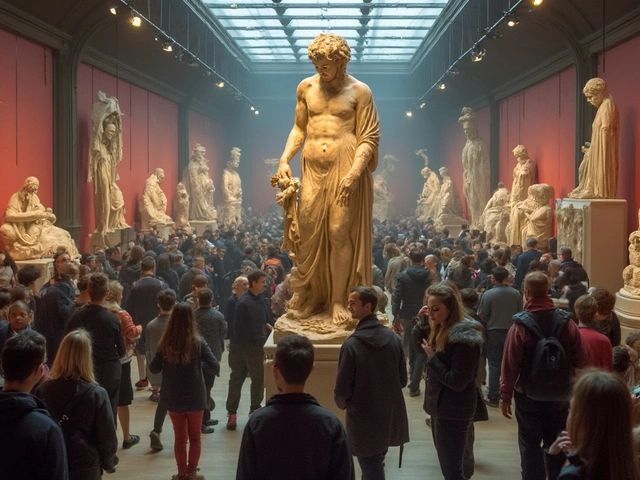
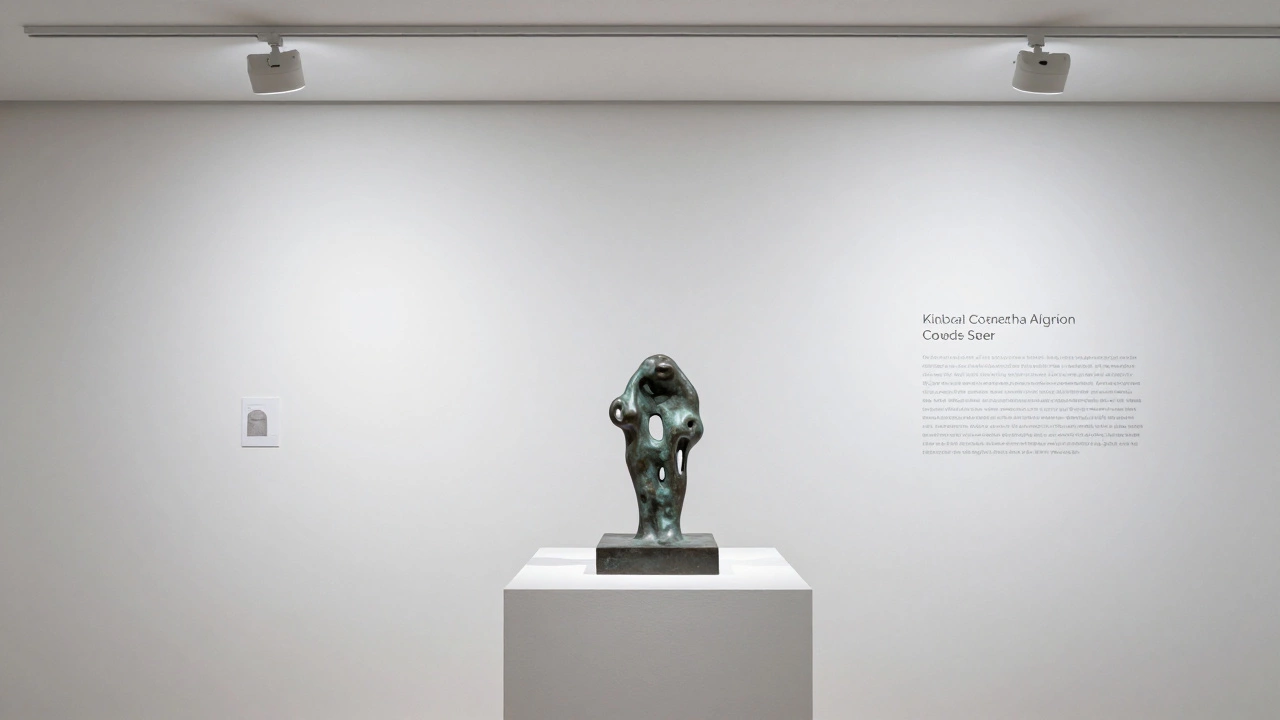
At its most basic level, an exhibition needs the art, but the way that art is presented changes everything. You'll find a mix of mediums, but the common thread is the hardware used to show them. First, there are the artworks themselves. This could be a series of oil paintings, a collection of Sculpture, or even immersive digital installations. But the art doesn't just float; it needs support. For paintings, this means frames and hanging systems. In high-end galleries, they often use "floating" frames to create a gap between the art and the wall, which adds a sense of depth. Then you have the Plinths. A plinth is essentially a fancy word for a pedestal. The height of a plinth is a power move; a high plinth forces you to look up, giving the art an air of authority, while a low plinth makes the piece feel more intimate and accessible. Lighting is the invisible hand of the curator. You'll usually see a combination of ambient light for safety and focused spotlights for drama. Many galleries use LED tracks because they don't emit heat or UV rays that could fade a 19th-century watercolor. If you see a painting with a piece of glass over it, that's likely museum-grade anti-reflective glass, which costs a fortune but makes the surface disappear so you can see the brushstrokes clearly.The Narrative and Contextual Tools
Art doesn't always speak for itself. Sometimes it needs a translator. This is where the textual elements come in. You'll notice a large piece of text on the wall near the entrance; this is the exhibition statement. It sets the mood, explains the theme, and tells you why these specific pieces were gathered. Next, you have the labels, often called "tombstones" in the industry. A standard label usually includes:- The artist's name
- The title of the work
- The date it was created
- The medium (e.g., "Oil on canvas" or "Bronze with patina")
- A brief description or a quote from the artist
| Element | Purpose | Typical Length | Placement |
|---|---|---|---|
| Exhibition Statement | Overall theme and goals | 150-300 words | Entrance wall |
| Section Text | Guides the sub-theme | 50-100 words | Start of a new room/area |
| Object Label | Specific data for one piece | 10-50 words | Next to the artwork |
The Spatial Layout and Flow
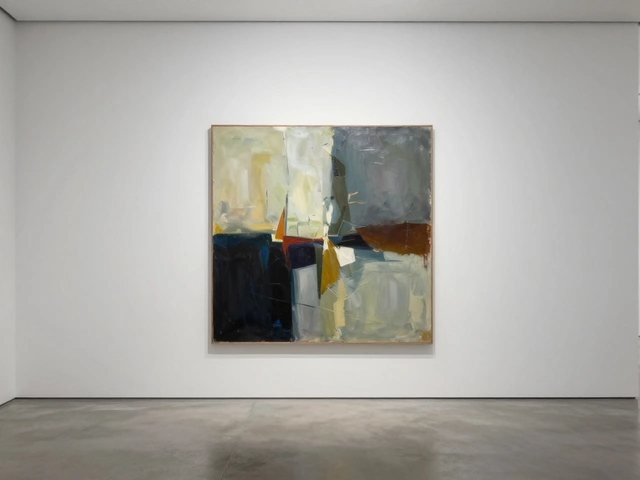
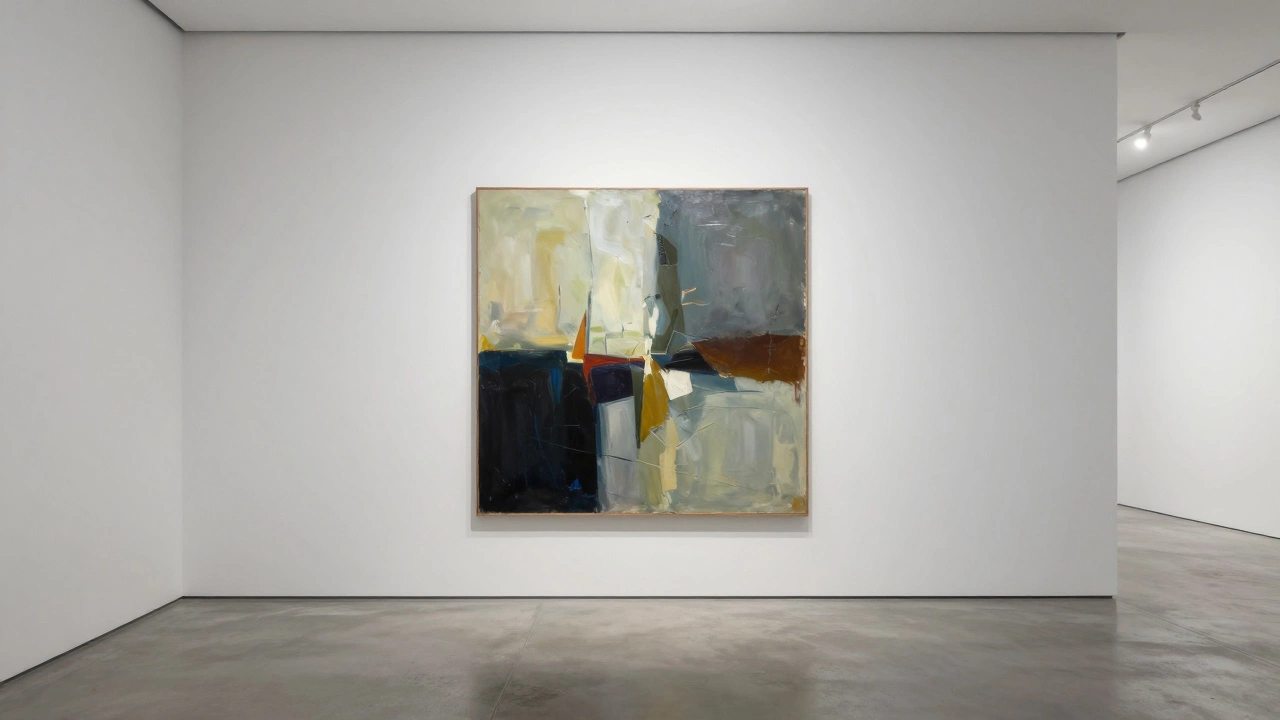
Where you walk and how you move is a science. Curators design the "flow" to control the pace of the experience. There are two main types of layouts: the chronological flow and the thematic flow. In a chronological flow, you walk through time. You start with the early sketches and end with the final masterpiece. This is common in Modern Art retrospectives. In a thematic flow, the art is grouped by idea. You might see all the blue paintings in one room, regardless of when they were painted, to emphasize a mood of sadness or serenity. Then there is the "white cube" concept. This is the idea that a gallery should be a neutral, sterile space-white walls, polished floors, bright lights. The goal is to strip away the outside world so that nothing distracts you from the art. However, some modern exhibitions are moving away from this, using "site-specific" designs where the walls might be painted dark charcoal or the floor is covered in sand to evoke a specific feeling. Don't forget the boundaries. Stanchions-those velvet ropes or metal poles-are there to keep you from touching the art. While they can feel like a barrier, they are essential for preservation. Oils are surprisingly fragile, and the oils from a human fingertip can permanently damage a canvas.The Behind-the-Scenes Logistics
What you see is only half the story. An exhibition includes a massive amount of invisible infrastructure. For one, there is the climate control system. Galleries maintain a strict temperature (usually around 21°C) and humidity level (roughly 50%) to prevent wood from warping or paint from cracking. If you've ever felt a slight chill in a museum, it's for the sake of the art, not the people. Security is another major component. This includes everything from the guards standing in the corners to the discreet motion sensors and cameras. Some high-value pieces are even bolted to the wall using security screws that require a special key to remove. Then there is the promotional material. A professional exhibition isn't complete without a catalog. This is a high-quality book that includes images of all the works, essays by critics, and an index. For the visitor, the simplest version of this is the gallery guide or a QR code that leads to an audio tour.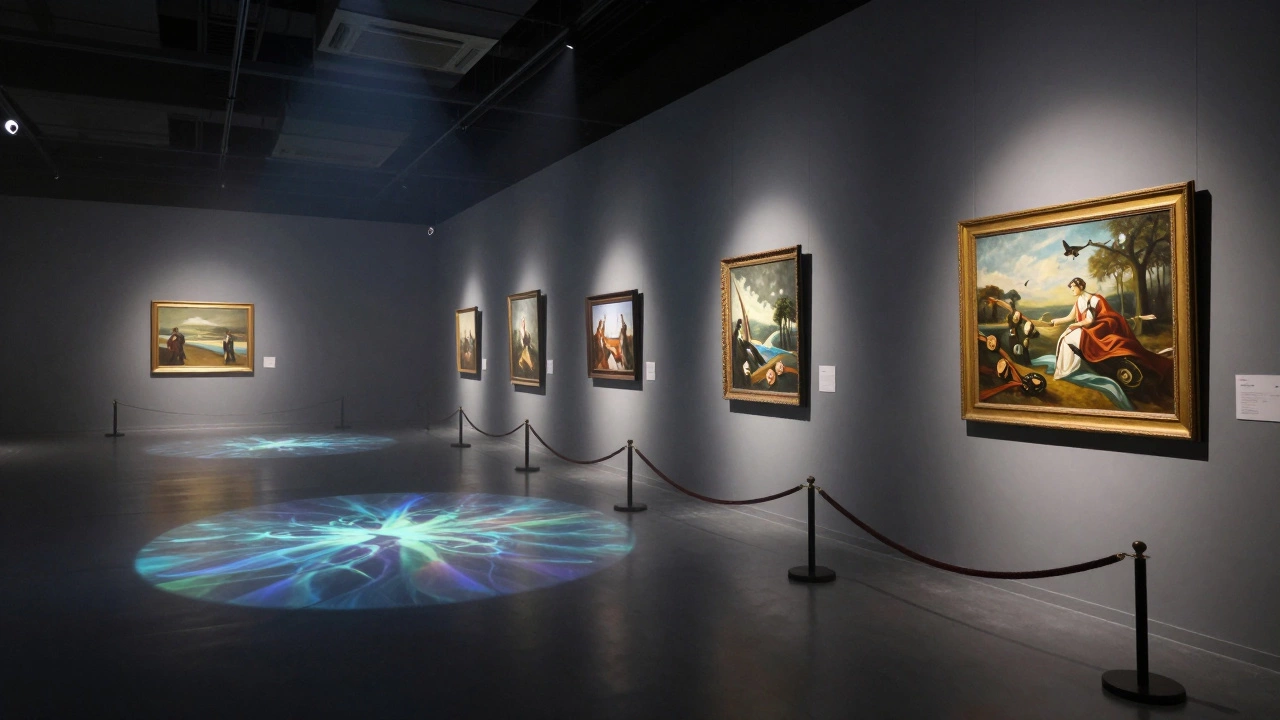
The Interactive and Modern Additions
As we move further into the 2020s, exhibitions are becoming less about "looking and not touching" and more about participation. Many shows now include Digital Art components, such as VR headsets or interactive projections that change as you walk past them. Some exhibitions also incorporate scent or sound. Imagine a painting of a forest accompanied by the faint smell of pine and the sound of distant birds. This is called sensory curation, and it's designed to pull you deeper into the artist's world. Moreover, the social space is becoming a part of the exhibition. Many galleries now include a lounge area or a cafe where visitors can discuss what they've seen. This turns the exhibition from a passive viewing experience into a social event, encouraging people to linger and reflect.Putting it All Together: The Checklist
If you're planning your own show or just visiting one with a critical eye, here is the checklist of what a complete, professional exhibition actually includes:- The Artwork: Curated selection of pieces that fit a specific theme.
- Display Hardware: Frames, plinths, and hanging wires.
- Precision Lighting: Spotlights and ambient light with UV protection.
- The Text: A main statement, section guides, and individual labels.
- Spatial Design: A planned path for the visitor and neutral or themed wall colors.
- Environmental Control: HVAC systems to regulate temperature and humidity.
- Security: Guards, cameras, and physical barriers like stanchions.
- Documentation: Catalogs, brochures, or digital guides.