Artwork Pricing & Profit Calculator
Work Details
Estimated Expenses
Financial Projection
Suggested Retail Price
Based on 0 square inches
Profit Breakdown
There is a specific kind of anxiety that hits when you finish a painting or sculpture and realize it has nowhere to go. It sits in your studio, gathering dust, while the rest of the world moves on. You know the work is ready. The question isn't whether it's good enough; it's how to get eyes on it. Showing artwork is the process of presenting creative works to the public through galleries, studios, or digital platforms. It is not just about hanging a picture on a wall. It is a strategic move that shifts you from being a hobbyist to being a professional artist.
Many artists wait for an invitation that never comes. They assume galleries will knock on their door if the work is brilliant. That rarely happens. The art world runs on initiative. If you want your work seen, you have to build the path yourself. This guide breaks down exactly how to start, from preparing your pieces to negotiating with curators.
Prepare Your Work for Public Display
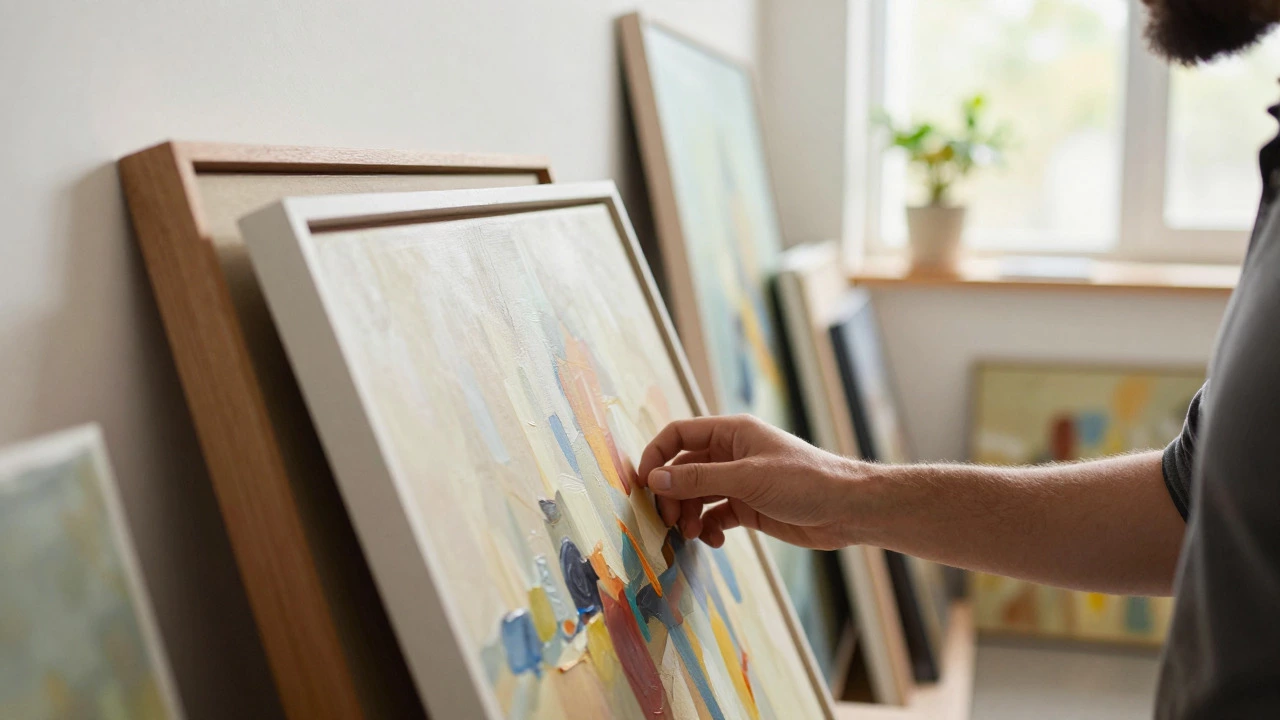
Before you send a single email, your work needs to be exhibition-ready. This goes beyond finishing the piece. It involves technical preparation that signals professionalism to curators and collectors alike.
Portfolio curation is the selection of your strongest pieces to represent your artistic voice consistently. Do not show everything you have ever made. Select 10 to 15 pieces that speak to each other. If you are showing abstract oil paintings, do not include three realistic charcoal sketches unless they fit a cohesive narrative. Curators look for a clear vision. A scattered portfolio suggests a scattered mind.
- Consistency: Ensure the style, medium, and theme align across the selected works.
- Quality over quantity: Five stunning pieces are better than twenty mediocre ones.
- Conditioning: Check frames for damage, ensure canvases are taut, and clean sculptures of dust or residue.
You also need high-quality documentation. Most curators will ask for images before they agree to see the physical work. Use natural light. Shoot against a plain white or gray wall. Avoid flash glare on glossy surfaces. These images become your digital handshake. If they are blurry or poorly lit, your application gets deleted before anyone sees the actual art.
Build Your Digital Presence
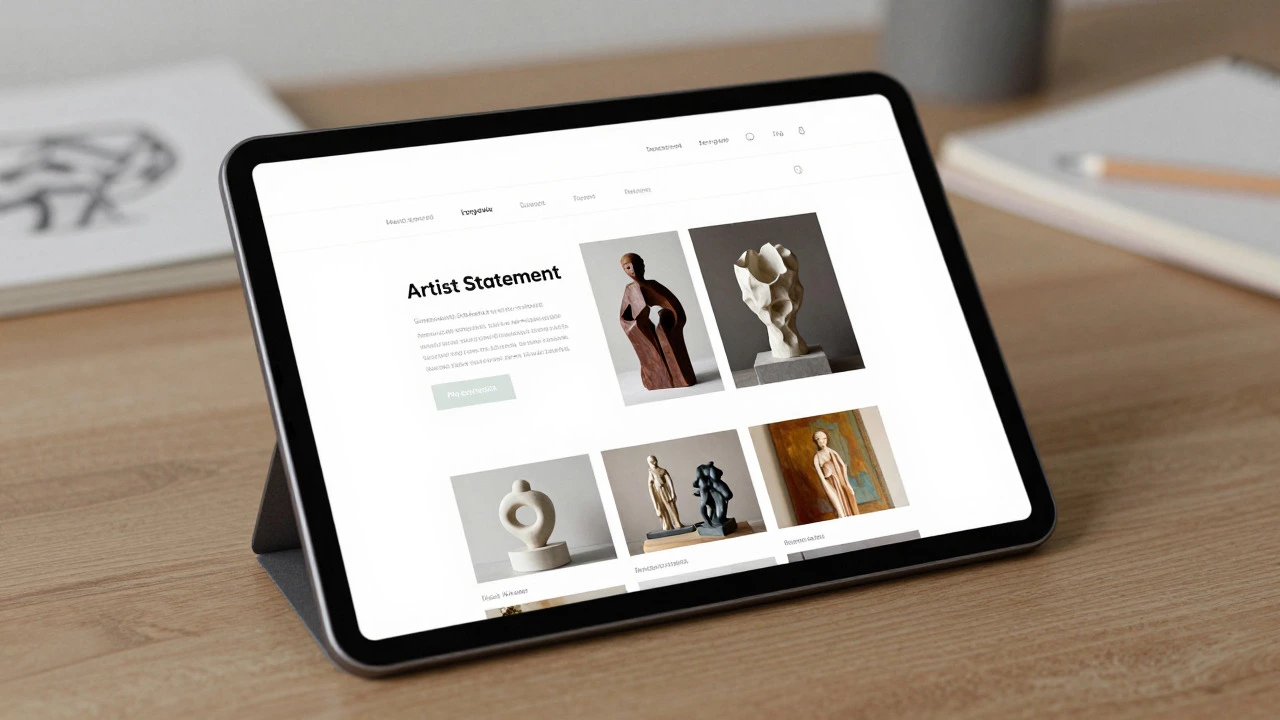
In 2026, your website is your primary gallery space. While social media drives traffic, your website holds authority. When a curator finds you on Instagram, their first step is to visit your site to verify you are serious.
Your site needs three core pages: a bio, a portfolio, and a contact page. Keep the design minimal. Let the art take center stage. Use fast-loading image formats like WebP to keep users engaged. Include an Artist Statement is a written explanation of your artistic goals, methods, and themes. Write it in the third person or first person, but keep it under 300 words. Explain what you make, why you make it, and what materials you use. Avoid overly academic jargon. Speak clearly. If a collector cannot understand your intent in ten seconds, they will scroll past.
Social media acts as your networking tool. Platforms like Instagram and TikTok allow you to share behind-the-scenes content. Show the process. People connect with the struggle and the joy of creation. Post consistently, but do not obsess over algorithms. Use these platforms to drive traffic back to your website where you can capture email addresses for future announcements.
Identify the Right Venues
Not all exhibition spaces are created equal. Choosing the wrong venue can damage your reputation or result in zero sales. You need to match your art style with the right type of space.
| Venue Type | Best For | Cost to Artist | Commission Rate |
|---|---|---|---|
| Commercial Gallery | Established artists seeking sales | Low (usually none) | 40% - 60% |
| Non-Profit Space | Experimental or emerging work | None | 0% - 20% |
| Pop-Up Shop | Direct-to-consumer sales | Moderate (rental fee) | 0% (you keep all) |
| Online Platform | Global reach and prints | Low (listing fees) | 10% - 30% |
Start local. Look for community centers, cafes, and small independent galleries in your city. In Wellington, for example, spaces like the City Gallery or smaller indie spots often host group shows for emerging artists. These venues are less competitive and offer valuable experience in installation and promotion.
Research thoroughly. Visit the galleries. Talk to the staff. Buy something if you can. Build relationships before you ask for favors. A curator is more likely to help someone they know and respect than a stranger sending a cold email.
Submit Proposals Effectively
Most galleries accept submissions through Open Calls are public invitations for artists to submit work for consideration in upcoming exhibitions. These are listed on gallery websites, arts council portals, and social media. Read the guidelines carefully. Missing a deadline or ignoring formatting rules is an instant rejection.
When writing your proposal, be concise. State who you are, what you propose, and why it fits their space. Reference previous shows at the gallery to show you have done your homework. Attach your CV and a link to your online portfolio. Do not attach large files directly to emails. Use Dropbox or Google Drive links.
If you do not hear back within two weeks, send a polite follow-up. Persistence is key, but harassment is not. If you receive a rejection, thank them for their time. Ask for feedback if possible. Rejection is part of the process. Even famous artists faced countless rejections before their breakthrough.

Manage the Logistics of an Exhibition
Once you get a yes, the real work begins. An exhibition requires meticulous planning. Create a timeline working backward from the opening night.
- Insurance: Verify if the venue insures the work during transit and display. If not, purchase rider coverage for your homeowner's policy.
- Pricing: Set clear prices for every piece. Include them in the catalog. Ambiguity kills sales.
- Installation: Arrive early. Measure walls. Plan sightlines. Ensure lighting highlights the best features of each piece.
- Promotion: Send press releases to local arts blogs and newspapers. Invite friends, family, and other artists. Host an opening reception with wine and snacks to encourage conversation.
Be present at the opening. Collectors buy the artist as much as the art. Share stories about your process. Answer questions. Exchange business cards. Every interaction is a potential sale or collaboration.
Negotiate Contracts and Sales
Never hang your work without a contract. A simple agreement should outline the commission split, duration of the show, insurance responsibilities, and marketing duties. Get it in writing. Verbal agreements lead to disputes.
When a sale occurs, issue a receipt immediately. Provide a certificate of authenticity for original works. This adds value and protects the buyer. If selling prints, specify the edition size and number. Limited editions maintain scarcity and value.
Track your expenses. Frame costs, shipping, marketing, and taxes eat into profits. Treat your art practice as a small business. Keep separate bank accounts. Consult a tax professional familiar with creative industries.
How much should I charge for my artwork?
Pricing depends on size, medium, experience, and market demand. A common formula is price per square inch multiplied by a factor based on your career stage. Beginners might charge $1-$2 per square inch, while established artists charge $5-$10+. Always research comparable artists in your region.
Should I pay to exhibit my work?
Reputable commercial galleries never charge artists to exhibit. They make money from sales commissions. Be wary of spaces asking for upfront fees unless they are non-profit educational programs or pop-up rentals where you retain full control and profit.
What if no one buys my art?
Sales are not the only metric of success. Exposure, networking, and critical feedback are valuable. Use the exhibition to build your mailing list. Offer prints or smaller works at lower price points to increase accessibility.
How do I find open calls for exhibitions?
Use platforms like Submittable, Artsy, and local arts council websites. Follow galleries on social media. Subscribe to newsletters. Networking with other artists is also a powerful way to learn about opportunities.
Do I need an agent to show my work?
No. Most emerging artists represent themselves. Agents typically come later in your career when you have a consistent body of work and market demand. Focus on building your own brand and network first.