Art Exhibition Readiness Score Calculator
Your Score
Complete the form to see your readiness level.
Personalized Recommendations
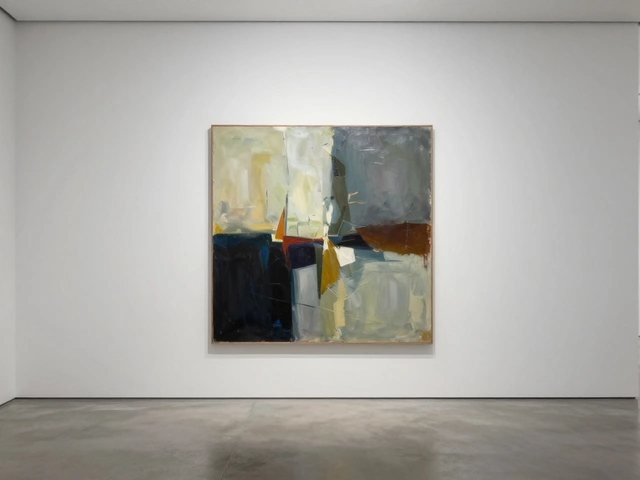
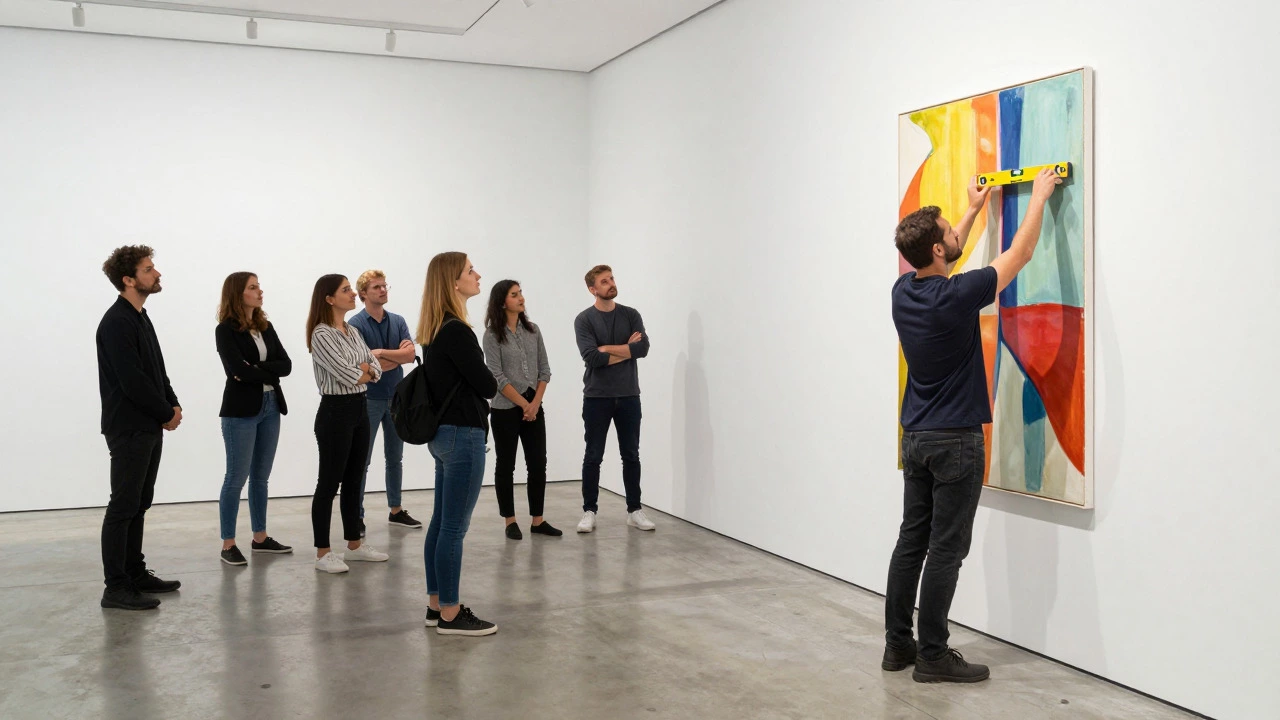
Standing in a white-walled gallery, watching someone else hang your painting or install your sculpture, is one of the most validating moments in an artist’s career. But getting to that moment rarely happens by accident. It requires strategy, preparation, and knowing exactly where to look. Many talented artists create stunning work but never get it seen because they don’t understand how the exhibition ecosystem works.
Participating in an art exhibition is a curated public display of artwork that serves as a platform for visibility, sales, and professional networking isn't just about having good art. It's about treating your practice like a business and understanding the specific pathways available to you. Whether you are looking to sell pieces, build your resume, or simply connect with other creatives, there are distinct routes you can take. This guide breaks down those routes so you can stop guessing and start submitting.
Understand the Types of Exhibition Opportunities
Not all exhibitions are created equal. The type of show you target dictates how you prepare your proposal and what kind of work you need. Broadly speaking, opportunities fall into three categories: juried shows, curated group shows, and solo exhibitions.
Juried exhibitions are competitive displays where a panel of judges selects artworks based on specific criteria, often anonymously. These are common in community centers, non-profit galleries, and large festivals. They are democratic but highly competitive. You usually pay an entry fee, which covers administrative costs and sometimes provides insurance for accepted pieces. If you win or are selected, it adds significant credibility to your CV.
Curated group shows, on the other hand, rely on the taste of a single curator or gallery director. Here, relationships matter more than anonymity. The curator has a theme in mind-perhaps "Urban Decay" or "Digital Identity"-and invites artists whose work fits that narrative. Getting into these requires active networking and following curators on social media.
Solo exhibitions are the holy grail for many. They require a cohesive body of work, often 15-30 pieces, that tells a unified story. Galleries rarely offer solos to unknown artists without a track record of successful group shows. Your goal should be to start with smaller group shows to build momentum before aiming for a solo presentation.
Prepare Your Professional Materials
Before you send a single email, you need your house in order. Curators and jurors are busy. If your materials are messy, your art gets rejected before it’s even looked at. You need three core assets: a high-quality portfolio, a concise artist statement, and a professional website.
Your portfolio is not just a folder of JPEGs. It needs to be edited ruthlessly. Include only your best 10-15 images. High-resolution photos are non-negotiable. For paintings and sculptures, use natural light and a plain background. For digital art, ensure color accuracy. Use tools like Adobe Lightroom to correct exposure, but do not alter the image itself. Each image should have metadata including title, medium, dimensions, and year created.
The artist statement is a short essay explaining the concepts, themes, and techniques behind your work, helping viewers understand your artistic intent. Keep it under 300 words. Avoid abstract jargon. Explain *why* you make what you make. If you paint landscapes, don't just say you love nature. Discuss how you explore memory through landscape. Be specific. Curators read hundreds of statements; yours needs to hook them in the first sentence.
Your website acts as your central hub. It doesn’t need to be expensive, but it must be clean and easy to navigate. Platforms like Squarespace or Format are popular among artists because they handle image optimization well. Ensure your contact information is visible. If a curator likes your work, they should be able to find your email address within two clicks.
Find Open Calls and Submission Windows
You cannot wait for invitations to come to you. You must actively hunt for opportunities. There are several reliable sources for finding open calls.
- Submission platforms: Websites like Submittable, Callforpapers.com, and Artsy aggregate thousands of calls from around the world. You can filter by location, medium, and deadline.
- Social media: Follow hashtags like #Opencall, #ArtSubmission, and #GalleryCall on Instagram and LinkedIn. Many independent galleries post their calls directly on their stories or feeds.
- Local arts councils: In cities like Wellington, New York, or London, local arts councils publish regular bulletins of funding and exhibition opportunities for residents.
- University galleries: Academic institutions often host student-faculty shows or public juried competitions that are more accessible to emerging artists.
Create a spreadsheet to track deadlines. Note the submission date, the jury date, and the exhibition dates. Missing a deadline by an hour means waiting another year. Set reminders two weeks in advance to give yourself time to prepare materials.

Crafting a Strong Proposal
When you apply, you are making an argument for why your work belongs in that specific space. Read the call guidelines carefully. If they ask for a PDF, do not send a link. If they limit images to five, do not send ten. Following instructions is the first test of professionalism.
Your cover letter or proposal email should be brief. Introduce yourself, state the name of the exhibition you are applying for, and briefly explain why your work fits the theme. Do not summarize your entire life story. Focus on the relevance of your current series to the exhibition’s concept.
| Item | Requirement | Why It Matters |
|---|---|---|
| Images | High-res, color-calibrated, named correctly | Poor images suggest poor craftsmanship |
| Statement | Clear, concise, relevant to the call | Shows conceptual depth and communication skills |
| CV | Updated, formatted consistently | Demonstrates professional history and reliability |
| Bio | Third-person, 100-150 words | Provides context for press and catalogs |
If the call asks for a video walkthrough of your studio, include it. Curators want to see how you work. A 60-second clip showing your process can be more compelling than static images alone. It proves you are active and engaged in your practice.
Navigating Fees and Contracts
Money changes everything. Juried shows often charge entry fees ranging from $20 to $100. View this as an investment in marketing and validation. However, be wary of scams. Legitimate galleries rarely charge artists to exhibit unless it is a juried competition with clear prizes or stipends.
Always read the contract. Key clauses to look for include:
- Commission rates: Standard commercial galleries take 40-50% of sales. Non-profits may take 10-20%. Know what you agree to before hanging your work.
- Insurance: Who covers damage or theft? Reputable venues insure works on paper and fragile sculptures. Confirm this in writing.
- Shipping: Who pays for transport? Usually, the artist ships to the venue, and the gallery returns it, or vice versa. Clarify who handles customs if shipping internationally.
- Copyright: Ensure you retain copyright. The gallery should only have rights to reproduce images for promotional purposes related to the show.
If a gallery asks for exclusive representation in a group show, pause. Group shows should not lock you into exclusivity. That language belongs in solo contracts.

Networking and Building Relationships
Art is a relationship business. Attending openings is not optional; it is part of the job. When you go to an opening, don’t just stand in the corner drinking wine. Talk to the artists, the curators, and the visitors. Ask questions about the work. Exchange cards or Instagram handles.
Follow up. If you met a curator you admired, send a polite email a week later. Mention your conversation, share a link to your recent work, and express interest in future collaborations. Do not demand a show. Build rapport over time. Trust takes years to build and seconds to break.
Consider joining local artist collectives or guilds. In Wellington, groups like the Wellington City Gallery’s artist residency programs provide structured networking opportunities. Being part of a collective can lead to group shows that individual artists might struggle to organize alone.
Handling Rejection and Persistence
You will be rejected. Often. A rejection does not mean your art is bad. It means it didn’t fit that specific curator’s vision, budget, or schedule at that time. Some of the most famous artists were rejected dozens of times before their breakthrough.
Keep a log of every submission. Note what worked and what didn’t. Did you get feedback? If so, analyze it objectively. If not, assume it was a fit issue, not a quality issue. Continue submitting. Consistency beats intensity. Submitting to five shows a month for a year yields better results than submitting to fifty shows once a year.
Treat your practice like a marathon. Update your portfolio quarterly. Refresh your website annually. Stay visible. The art world moves slowly, but it rewards persistence.
Post-Acceptance: Preparing for the Show
Once you get the acceptance email, the real work begins. You need to prepare your work for installation. Frame paintings professionally. Clean sculptures. Create labels with title, medium, dimensions, and price (if selling).
Communicate clearly with the gallery manager. Ask about wall heights, lighting conditions, and hanging systems. Provide detailed installation diagrams if your work is complex. Arrive early on installation day. Bring your own tools if possible. Helpfulness leaves a lasting impression.
Promote the show. Share announcements on social media. Invite your network. Sales often come from personal connections, not random gallery visitors. Be present at the opening night. Engage with buyers. Answer questions about your process. Your enthusiasm is contagious.
Do I need an agent to participate in an art exhibition?
No, most emerging artists participate in exhibitions without agents. Agents typically represent established artists with consistent sales records. Start by applying directly to galleries, juried shows, and open calls. As your career grows and you secure multiple gallery representations, an agent may become useful for managing logistics and negotiations.
How much should I charge for my art in a group show?
Pricing depends on your experience, size, medium, and market. A common formula is price per square inch multiplied by a factor based on your reputation. For beginners, keep prices accessible to encourage first-time buyers. Research comparable artists in your region. Consistency is key; avoid fluctuating prices between shows.
What if my art gets damaged during the exhibition?
This is why insurance matters. Reputable galleries carry liability insurance that covers works while on display. Check your contract for coverage limits. If uninsured, document any damage immediately with photos and notify the gallery manager. Have a backup piece ready if possible.
Can I submit digital art to physical exhibitions?
Yes, but you need to present it physically. Print high-quality giclée prints on archival paper or canvas. Alternatively, some galleries accept digital installations using projectors or screens. Ensure you have the necessary hardware and technical support for digital displays.
How long does the selection process take?
Typically 2-4 months after the submission deadline. Juried shows may take longer due to panel scheduling. Curated shows might respond faster if the curator is actively building a roster. Patience is required. Use this time to continue creating and submitting to other opportunities.