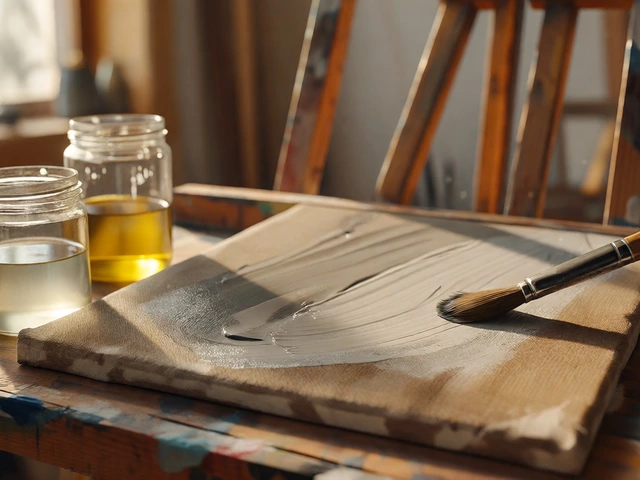
Most artists assume talent translates directly into bank balance. It doesn’t. To earn six figures, you have to stop thinking like a creator and start acting like a CEO of your own brand. The dream of financial freedom through fine art photography is real, but it requires treating your work as an asset class rather than a hobby. If you are reading this, you probably already love shooting, but do you love selling almost as much?
The Mathematics Behind Six-Figure Income
To hit $100,000 USD, your annual revenue must be consistent, regardless of the season or economic shifts. Simply snapping photos of landscapes or portraits won’t get you there. You need to understand the unit economics. Most photographers fail because they price based on time spent taking the shot rather than the value of the final image to a collector.
Consider a scenario where you sell limited edition prints. If you charge $500 per print, you need 200 sales a year to reach that seven-figure goal, averaging 16 sales a month. That volume is difficult for a solo practitioner without a dedicated marketing team. A smarter approach involves tiered pricing. By offering larger, museum-quality archival prints at higher margins, you reduce the volume needed. Selling five Limited Edition Prints at high-value signed originals priced at $5,000 each creates the same revenue as fifty smaller works.
Diversifying Your Revenue Streams
Relying on a single income source is the fastest path to bankruptcy in the art world. Successful fine art photographers typically blend three distinct streams to build stability. The first stream is direct sales of original works. The second is licensing intellectual property to corporations. The third involves educational offerings or workshops that leverage your expertise without devaluing your portfolio.
| Source Type | Time Required | Typical Earnings | Scalability |
|---|---|---|---|
| Limited Prints | High Curation | $5k - $20k per piece | Low |
| Commercial Licensing | Low Creation Time | $1k - $50k per license | Medium |
| Educational Workshops | Moderate Prep | $200 - $1000 per attendee | High |
Licensing allows you to monetize images you may have already created. A corporate client might pay a significant fee to use a Landscape Photograph for their annual report. This process often requires negotiating rights usage duration and territory. Unlike selling a physical object, licensing allows you to retain the master file while generating recurring or one-off fees depending on the contract terms.
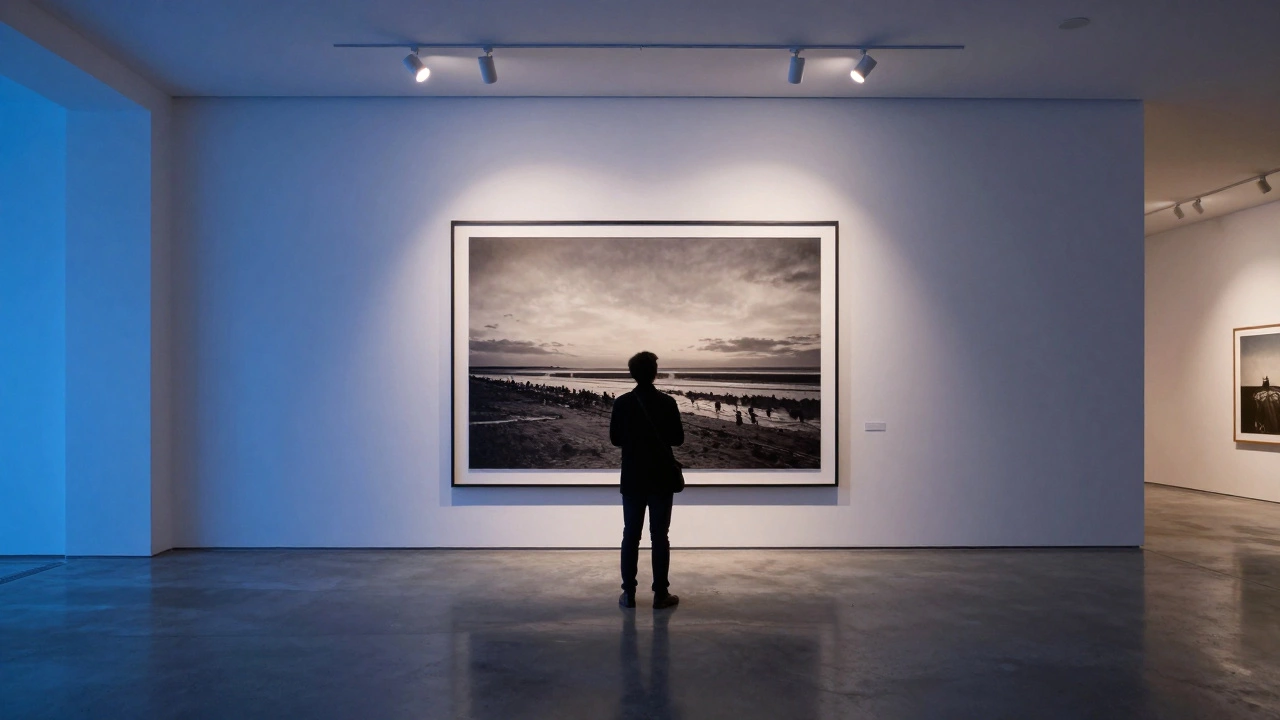
The Role of Galleries and Representation
Finding a home for your work often involves professional intermediaries. Art Galleries provide curation and access to high-net-worth collectors. However, this relationship comes with costs. Traditional gallery splits range from 40% to 60% commission on sales. You give up half your margin for their network.
The trade-off is exposure. A good gallery places your work in front of buyers who wouldn't visit your website. In 2026, hybrid models are emerging where online platforms handle logistics while physical galleries host exhibitions. You must evaluate if the gallery brings fresh buyers or just showcases your work to peers. If they aren't selling, ask for metrics. Why isn't it moving? Is it placement, pricing, or presentation?
Pricing Psychology and Market Positioning
New artists often underprice themselves out of fear of rejection. This strategy fails because low prices attract bargain hunters rather than serious collectors. High prices signal quality and exclusivity. When setting your prices, look at comparable artists in your genre and geography. Wellington, New Zealand, offers a different market rate compared to New York City. You don't need to match New York prices immediately, but you should aim for global parity as your reputation grows.
- Do not discount work publicly; it destroys perceived value.
- Offer different sizes rather than lowering the price tag.
- Use "Sold Out" status effectively to create scarcity.
- Price includes shipping, framing, and installation.
A practical tip is to anchor your pricing. Show the large format first to set expectations, then offer smaller options as alternatives. This psychological tactic helps buyers justify spending. Always remember that Copyright Law protects your moral rights over the work. You can transfer ownership of the print, but you remain the owner of the copyright unless explicitly assigned in writing.

Building a Collector Base
Sales come from relationships, not algorithms alone. Build a database of past buyers. Email them updates about new exhibitions or collections. Collectors love being the first to know. Maintain a newsletter that focuses on your process and upcoming launches rather than spamming promotions. Transparency builds trust.
Networking at art fairs and studio viewings is still vital. Face-to-face interactions humanize the art. In 2026, virtual reality showrooms allow potential buyers to place your art in their living room digitally before purchasing. Utilize these tools to remove friction from the buying process. Make the act of purchasing seamless. Friction kills deals. If a buyer has to email you ten times to close a transaction, you are losing interest to competitors with automated checkout systems.
Legal and Administrative Foundations
Running a profitable art career requires solid administrative habits. Keep separate accounts for business operations. Track every expense, from camera gear depreciation to travel for shoots. These expenses lower your taxable income. Furthermore, protect yourself with contracts. Verbal agreements are hard to enforce. Every sale needs a receipt stating what is sold (the print or the copyright) and payment terms.
Insurance is often overlooked. Art Insurance covers loss, damage, or theft of your inventory. Fine art pieces held by collectors also need insurance coverage. Offer this information to buyers so they feel secure investing thousands in your work. Professionalism extends beyond the aesthetic of the image to the security of the transaction.
Achieving six figures is a marathon, not a sprint. It involves consistent creation, strategic pricing, and active community building. Focus on the long-term value of your brand. Once your name becomes synonymous with quality in a specific niche, the market will follow.
Is it possible to earn 6 figures selling only digital downloads?
While technically possible, relying solely on digital downloads is extremely difficult due to low average order values. To hit six figures, you would need massive traffic volume. Most successful artists mix physical print sales with digital licensing to maximize margins per customer.
How do I price my first collection?
Start by researching local galleries showing similar work. Take the average price per square inch for similar mediums. For your debut, price conservatively to build initial momentum, but plan to increase prices by 20% annually or after every exhibition.
Do I need a gallery to sell expensive work?
No, many artists sell high-ticket items directly through their website. However, galleries offer credibility and access to wealthy collectors who prefer vetted sources. A hybrid approach using a representative for top-tier work and direct sales for accessible work is common.
What role does social media play in sales?
Social media serves as your discovery engine. Platforms like Instagram and Pinterest drive traffic to your site. However, conversions happen via email or direct sales channels. Use social proof and behind-the-scenes content to build desire before directing users to the purchase page.
Should I accept trade services instead of cash?
Accepting trade services (bartering) dilutes the professional perception of your work. Only consider trades if the service provides critical business value, like legal work or accounting. Ideally, all artwork sales should convert to liquid capital for reinvestment.