Contemporary Art Era Identifier
Enter a year to see which art era it falls into. This tool helps distinguish between Modern Art (pre-1970), Late Modernism, Postmodernism, and Global Contemporary art.
Art Period Timeline
You walk into a gallery, see a piece that looks like it was made yesterday, and ask the docent, "Is this modern or contemporary?" They hesitate. So do most people. The terms get swapped in casual conversation, but for collectors, students, and anyone trying to understand what they're looking at, the distinction matters. It changes how you value the work, where it sits in a museum, and even who might buy it.
The short answer? Contemporary art generally refers to art produced from the mid-20th century to the present day. But "mid-20th century" is doing a lot of heavy lifting there. Most institutions pin the start date around 1970, while others argue for 1945 or even 1989. Why the confusion? Because art history doesn't stop just because we label it. Let's break down exactly when contemporary art starts, why the dates shift, and how to tell it apart from its predecessor, modern art.
The Core Definition: When Does Contemporary Art Actually Start?
If you need a single number to remember, use 1970. This is the most widely accepted starting point among major museums and auction houses today. Before 1970, you are mostly looking at Modern Art, which ran roughly from the 1860s to the late 1960s.
Why 1970? That decade marked a massive shift. Minimalism, Conceptual Art, and Performance Art began dominating the scene. Artists stopped caring as much about making beautiful objects and started asking questions about what art even is. Think of Yoko Ono cutting pieces off her dress in Vienna, or Sol LeWitt writing instructions for someone else to paint a wall. That philosophical pivot defines the era.
However, don't panic if you see 1945 cited. Some definitions mark the end of World War II as the birth of the contemporary world. Post-war abstraction (like Abstract Expressionism) broke ties with European traditions, setting the stage for everything that followed. If a textbook says contemporary art starts in 1945, they are focusing on the cultural rupture caused by the war. If they say 1970, they are focusing on the stylistic rupture of conceptualism.
Why There Is No Single Official Date
Art history isn't physics. There is no governing body that issues a certificate saying, "As of Tuesday, we are now in the Contemporary Period." Instead, periods are defined by shifts in technique, philosophy, and context. This creates gray zones.
Consider the year 1965. Andy Warhol is already famous. Pop Art is booming. Is Warhol modern or contemporary? Technically, he straddles the line. His early work fits the Modern period's fascination with consumer culture and new media, but his later career influences the Contemporary focus on identity and mass production. Museums often keep Warhol in their Modern collections, while his influence permeates Contemporary galleries.
Another tricky boundary is 1989. The fall of the Berlin Wall changed the global political landscape. Art became more globalized, moving away from the New York-centric view of the previous decades. Some curators argue that true "global contemporary" art only begins after 1989, when artists from Asia, Africa, and Latin America gained equal footing in Western institutions.
Modern vs. Contemporary: The Key Differences
To understand the year range, you have to understand what came before. Modern Art wasn't just "old art." It was a specific movement driven by industrialization, photography, and psychology. Contemporary Art reacts to the digital age, globalization, and identity politics.
| Feature | Modern Art | Contemporary Art |
|---|---|---|
| Timeframe | c. 1860s - c. 1970 | c. 1970 - Present |
| Primary Focus | Aesthetic innovation, form, medium-specificity | Ideas, social commentary, identity, technology |
| Common Media | Oil paint, canvas, bronze, marble | Digital media, video, installation, mixed media |
| Key Movements | Impressionism, Cubism, Surrealism, Abstract Expressionism | Conceptual Art, Street Art, Digital Art, Relational Aesthetics |
| Famous Names | Picasso, Pollock, Rothko, Dalí | Banksy, Ai Weiwei, Yayoi Kusama, Jeff Koons |
Notice the shift in media. Modern artists were obsessed with pushing the boundaries of traditional materials-how flat can a painting be? How abstract can a sculpture get? Contemporary artists often abandon traditional materials entirely. If an artist uses code, internet data, or live animals to make a statement, they are working in the contemporary realm.
Sub-periods Within Contemporary Art
Since "1970 to now" covers over 50 years, experts break it down further. Understanding these sub-periods helps you pinpoint where a specific artwork fits.
- Late Modernism (1960s-1970s): This is the bridge. Artists like Jasper Johns and Robert Rauschenberg used everyday objects, blurring the line between high art and life. It’s still technically Modern, but it paved the way for what came next.
- Postmodernism (1970s-1990s): Here, irony took over. Artists questioned the idea of originality and truth. Sherrie Levine photographed Walker Evans' photos and claimed them as her own. This period embraced appropriation and pastiche.
- Globally Contemporary (1990s-Present): The internet exploded. Art became decentralized. You could be a successful artist in Lagos or Seoul without ever showing in New York. Themes shifted heavily toward race, gender, migration, and climate change.
When you look at a piece today, ask yourself: Is it ironic and referencing art history? That’s likely Postmodern (early Contemporary). Is it addressing a current social issue using digital tools? That’s Late Contemporary.
How Museums Decide What Counts
Museums aren't neutral observers; they shape the timeline. The Museum of Modern Art (MoMA) in New York, for instance, has updated its collection policies multiple times. In the past, MoMA focused heavily on Western male artists. Today, their definition of "contemporary" includes living artists from diverse backgrounds, expanding the scope beyond the traditional Euro-American canon.
Tate Modern in London uses a similar approach. They define contemporary art as work made since 1900, but they distinguish between "historical" works (pre-1960s) and "contemporary" works (post-1960s). This fluidity shows that the date depends on the institution's mission. If a museum wants to highlight ongoing dialogues, they might stretch the start date earlier to include pivotal shifts like the Civil Rights Movement or the rise of Feminist Art in the 1970s.
Practical Tips for Identifying Contemporary Art
So, you’re standing in front of a piece and want to know if it falls into the contemporary range. Here is a quick heuristic:
- Check the Artist’s Status: If the artist is alive and actively producing work, it is almost certainly contemporary. Even if they were born in 1940, if they are exhibiting new work in 2026, they are part of the contemporary conversation.
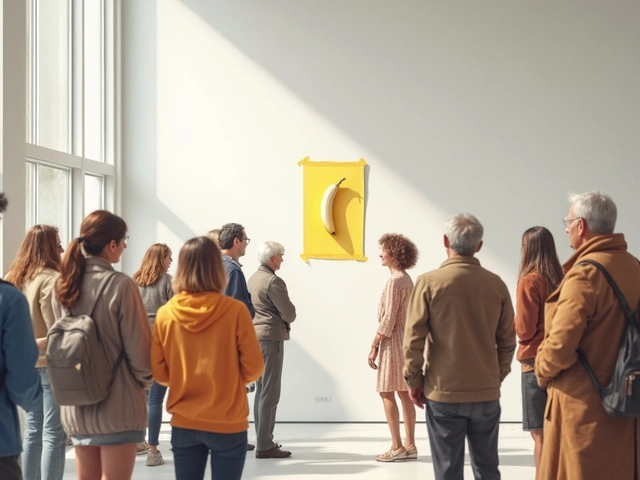
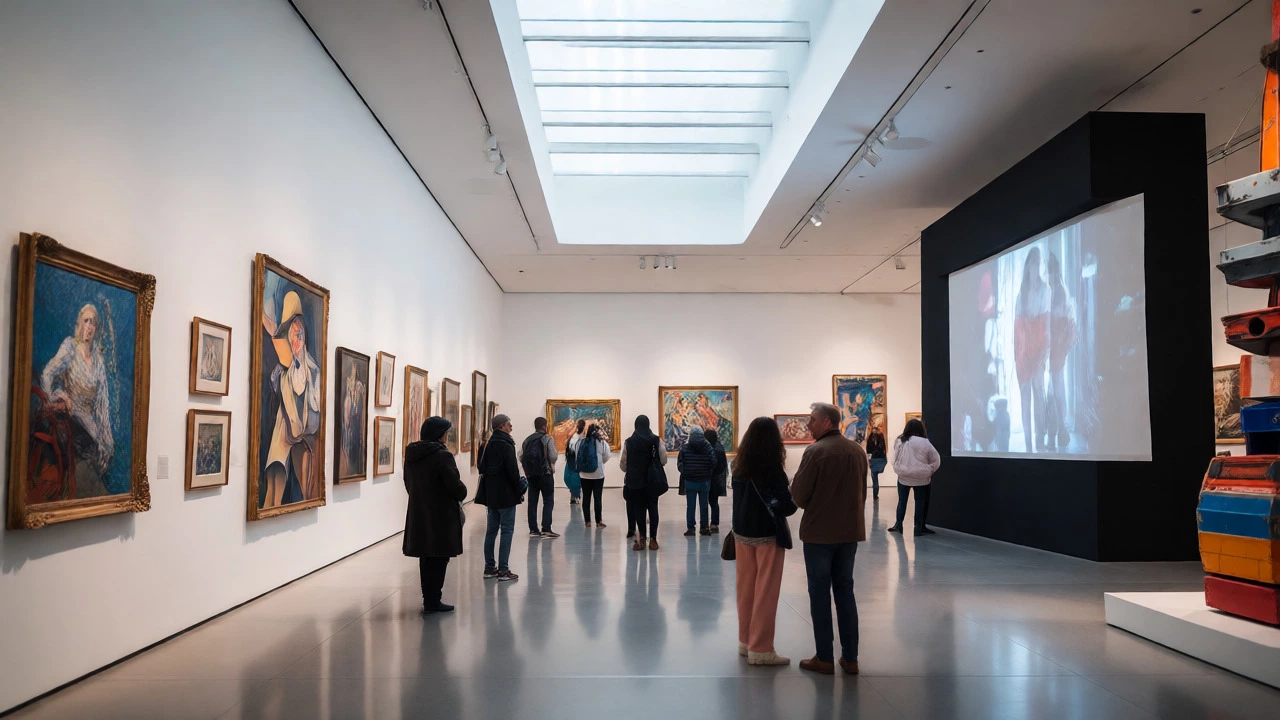
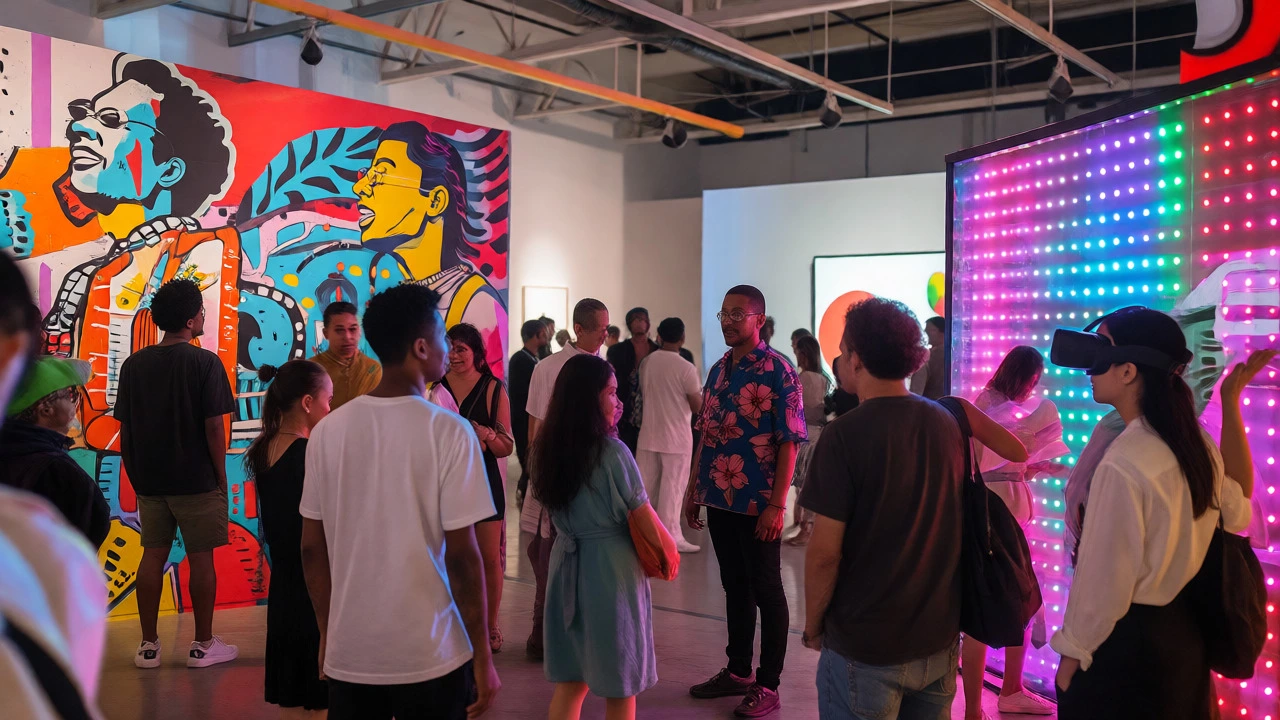
- Look for Non-Traditional Materials: Is it a video screen? A pile of laundry? A VR headset? Traditional oils on canvas *can* be contemporary, but unusual materials are a strong signal.
- Read the Statement: Contemporary art usually comes with a written explanation. If the text talks about "identity," "capitalism," "digital surveillance," or "ecology," you are in contemporary territory. Modern art statements tended to focus on composition, color theory, and emotional expression.
- Consider the Context: Was the work made for Instagram? For a biennale in Venice? For a protest? Contemporary art is deeply tied to the current moment.
Don’t get hung up on exact years if you’re just starting out. The spirit of contemporary art is about engagement with the now. If the work feels urgent, relevant, and experimental, it belongs to this era, regardless of whether it was made in 1975 or 2025.
Is Picasso considered contemporary art?
No, Pablo Picasso is classified as a Modern artist. He died in 1973, but his most influential work occurred during the height of Modernism (early to mid-20th century). While he lived briefly into the contemporary period, his style and impact are rooted in the movements of Modern Art, such as Cubism.
Can contemporary art be realistic?
Yes. While contemporary art is often associated with abstraction or conceptual ideas, realism is still prevalent. Artists like Kehinde Wiley or Jenny Saville create highly realistic paintings that address contemporary themes like power, race, and body image. The defining feature is not the style, but the time period and the conceptual framework.
Why do some sources say contemporary art starts in 1945?
Some historians mark 1945 as the start because the end of World War II fundamentally changed society and art. The rise of Abstract Expressionism in New York shifted the center of the art world from Paris to the US. However, most museums today prefer 1970 as the start date to distinguish the conceptual shifts of the 1960s and 70s from the formal experiments of the mid-century.
Does AI-generated art count as contemporary art?
Yes, absolutely. AI art is one of the most significant developments in the current contemporary period. It raises questions about authorship, creativity, and technology that are central to contemporary discourse. Artists like Refik Anadol use AI to create installations that are exhibited in major contemporary museums worldwide.
Is street art considered contemporary art?
Yes, street art is a major subset of contemporary art. Originating in the 1970s and 80s, it challenged the exclusivity of galleries. Today, artists like Banksy and Shepard Fairey are celebrated in the contemporary art market. Their work engages with public space and social commentary, key traits of the contemporary ethos.