Musical Giants Comparison Tool
Select a Musical
Choose from the biggest shows in history to see their stats.
The "Big Six" musicals are the most profitable productions in theatrical history.
When you think of the biggest musicals ever produced, a few names usually pop into your head immediately. The Phantom of the Opera is Andrew Lloyd Webber's gothic romance that held the record for the longest-running show in both London's West End and New York's Broadway for decades. It ran for 35 years on Broadway alone. Then there is Cats, which is T.S. Eliot-inspired feline fantasy that revolutionized stage design and became a global phenomenon in the late 1980s. But "biggest" can mean different things. Are we talking about the most money made? The longest run? Or the cultural impact that changed how we see theater?
In this guide, we break down the true giants of the stage. We look at the financial titans, the endurance champions, and the modern blockbusters that are currently shaking up the industry. Whether you are a die-hard theater fan or just curious about why these shows have such massive followings, here is what makes them the biggest musicals ever.
The Undisputed King: The Phantom of the Opera
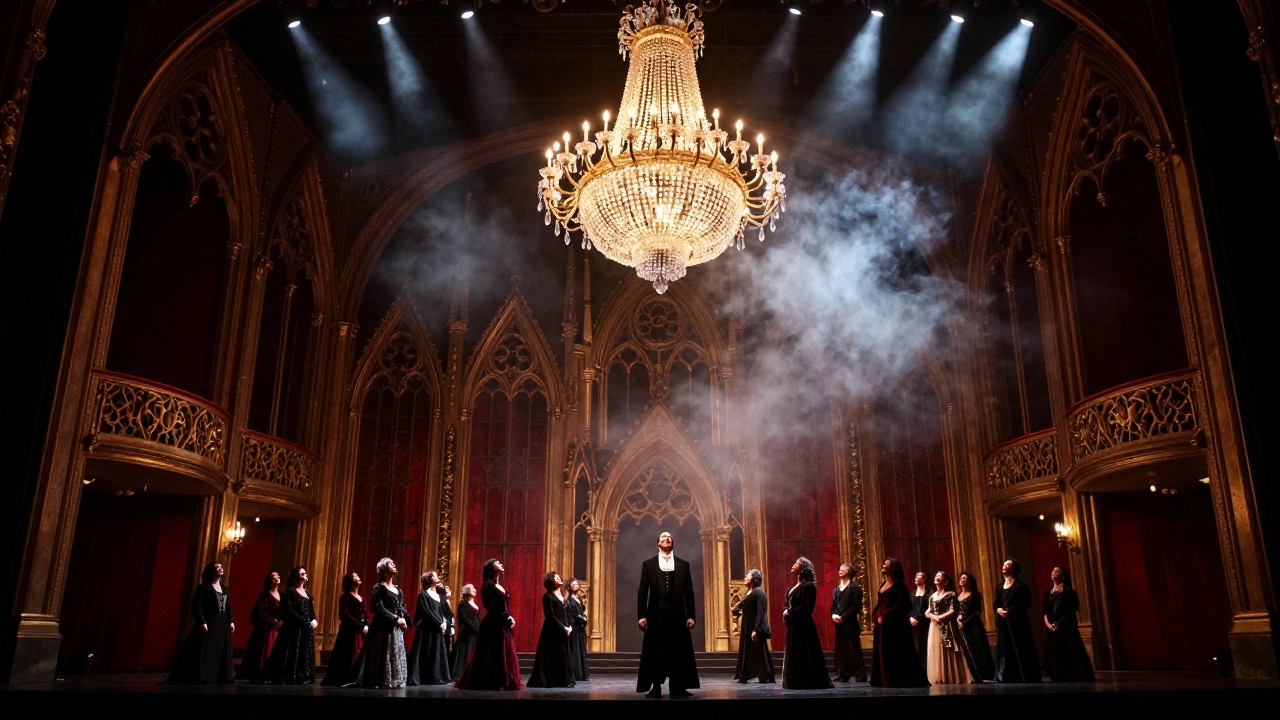
If you need one answer for the biggest musical ever, it is almost certainly The Phantom of the Opera. Premiering in London in 1986 and opening on Broadway in 1988, this show by Andrew Lloyd Webber didn't just succeed; it dominated.
For over 30 years, it was the standard-bearer for longevity. On Broadway, it played for 13,981 performances before closing in April 2023 due to the pandemic's lingering effects and rising costs. In London's West End, it ran for an incredible 35 years at Her Majesty's Theatre (now His Majesty's Theatre). The numbers are staggering. It has been seen by more than 140 million people worldwide. That is not just a hit; that is a cultural institution.
What made it so big? It combined rock music with classical opera influences, creating a sound that appealed to older audiences who loved traditional theater and younger fans who wanted high energy. The spectacle-the chandelier crashing through the stage, the elaborate costumes designed by Maria Björnson-set a new bar for what a musical could look like. It proved that theater could be a blockbuster event, not just an intimate performance.
The Modern Titans: Wicked and Les Misérables
While the Phantom held the crown for decades, two other shows have carved out their own massive territories. Wicked is the prequel to The Wizard of Oz that explores the story of the Witches of Oz, becoming one of the fastest-selling Broadway shows in history. Opening in 2003, Wicked quickly became a powerhouse. It is known for its green makeup, flying monkeys, and the duet "For Good." For many years, it was the second-longest-running show on Broadway after the Phantom. It continues to sell out tickets nightly, proving that its appeal is timeless.
Then there is Les Misérables, which is Claude-Michel Schönberg and Alain Boublil's epic adaptation of Victor Hugo's novel, famous for its score-driven narrative and historical depth. This show has had multiple runs in both London and New York. Its original London run lasted 24 years, and its Broadway run spanned 15 years. What sets Les Mis apart is its structure. Unlike most musicals where songs interrupt the dialogue, in Les Mis, the characters rarely speak; they sing. The entire story is told through music. This approach created a deeply emotional experience that resonated with audiences globally, leading to countless revivals and a highly successful film adaptation in 2012.
The Financial Giants: Hamilton and Lion King
Longevity doesn't always equal the highest revenue. Some shows make more money because they charge higher ticket prices and attract tourists willing to pay premium rates. Here, Hamilton is Lin-Manuel Miranda's hip-hop musical about Alexander Hamilton that redefined casting norms and became a cultural phenomenon. stands tall.
Since opening on Broadway in 2015, Hamilton has generated hundreds of millions of dollars. Tickets often sold for thousands of dollars on secondary markets. The show's unique blend of hip-hop, R&B, and traditional show tunes, combined with its diverse casting of American founding fathers, sparked a national conversation. It wasn't just a play; it was an event. Schools studied it. Politicians referenced it. The demand was so high that the show introduced a lottery system and digital ticket releases to manage the frenzy.
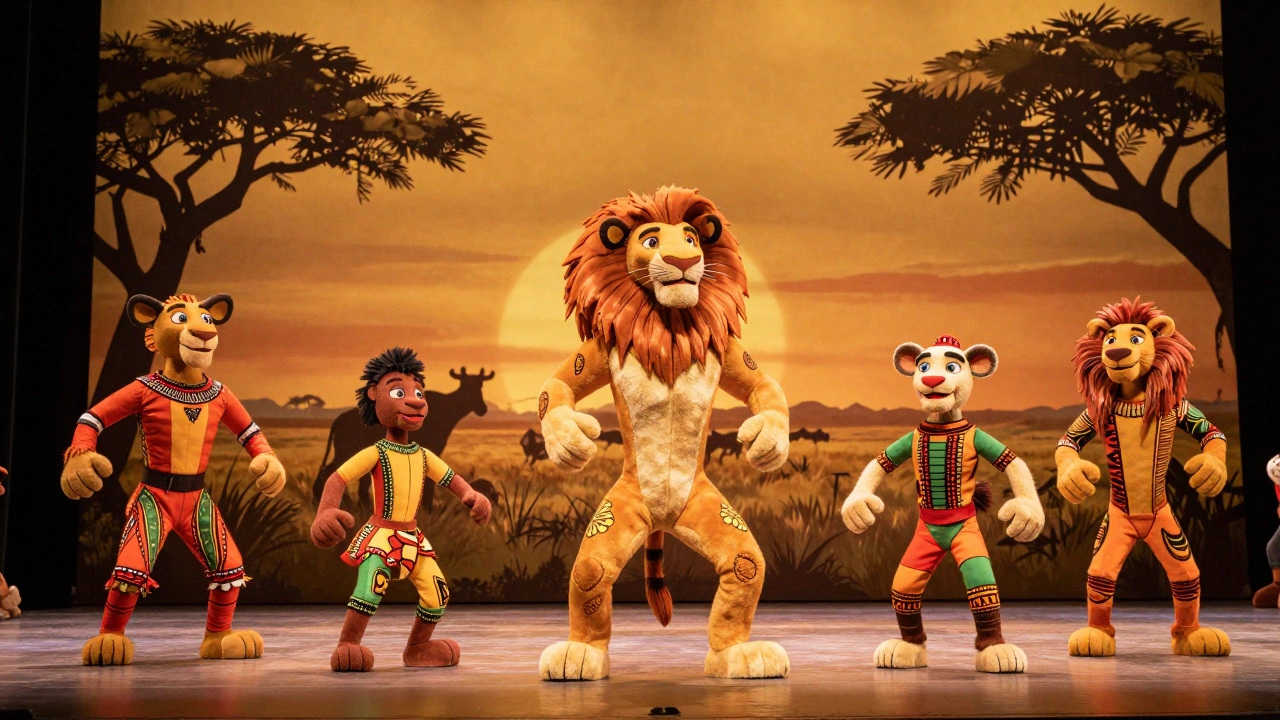
The Lion King is Disney's award-winning musical adaptation featuring innovative puppetry and visual storytelling that has become the highest-grossing musical in history. is actually the highest-grossing musical of all time. Since its Broadway debut in 1997, it has earned billions of dollars worldwide. The secret sauce? Disney's marketing machine and the universal love for the animated film. But also, the puppetry. Julie Taymor's designs allowed animals to come to life on stage in a way that felt magical rather than cartoonish. It appeals to everyone from toddlers to grandparents, ensuring steady ticket sales for nearly three decades.
| Musical | Premiere Year | Broadway Performances | Key Factor for Success |
|---|---|---|---|
| The Phantom of the Opera | 1988 | 13,981 | Longevity & Spectacle |
| The Lion King | 1997 | 11,000+ | Brand Power & Puppetry |
| Chicago | 1996 (Revival) | 13,000+ | Low Budget & Flexibility |
| Wicked | 2003 | 10,000+ | Pop Culture Appeal |
| Hamilton | 2015 | 1,000+ (and counting) | Cultural Relevance & Hype |
The Survivor: Chicago
You might wonder how a show from 1975 made the list. The original run of Chicago is Kander and Ebb's jazz-age satire about murder and fame that closed quickly but was revived in 1996 to become one of the longest-running Broadway shows. failed. It closed after just 931 performances. But in 1996, it was revived, and it never stopped running. As of 2026, it is still playing on Broadway and touring globally.
Why is Chicago so durable? It is cheap to produce. It requires no elaborate sets, no complex lighting rigs, and no large orchestra. It relies on style, choreography, and strong vocals. This means it can be produced in small theaters around the world with local casts. It is the ultimate traveling show. If you want to see a musical in a city without a major theater district, chances are Chicago is there. Its ability to adapt to any venue makes it a financial beast.
The Global Phenomenon: Cats
We cannot talk about the biggest musicals ever without mentioning Cats. Based on T.S. Eliot's Old Possum's Book of Practical Cats, this show opened in London in 1981 and Broadway in 1982. It ran for 21 years on Broadway and 20 years in London. At its peak, there were multiple productions running simultaneously across the globe.
Cats was controversial. Critics hated it. Audiences loved it. The song "Memory" became a standard. The show introduced the concept of the "jukebox musical" avant la lettre, using existing songs to drive the narrative. It also pioneered the use of video projections and immersive set design. Even though it has closed in many major cities, its legacy as a global brand is unmatched. It proved that musicals could be international products, not just local art forms.
What Makes a Musical "Big"?
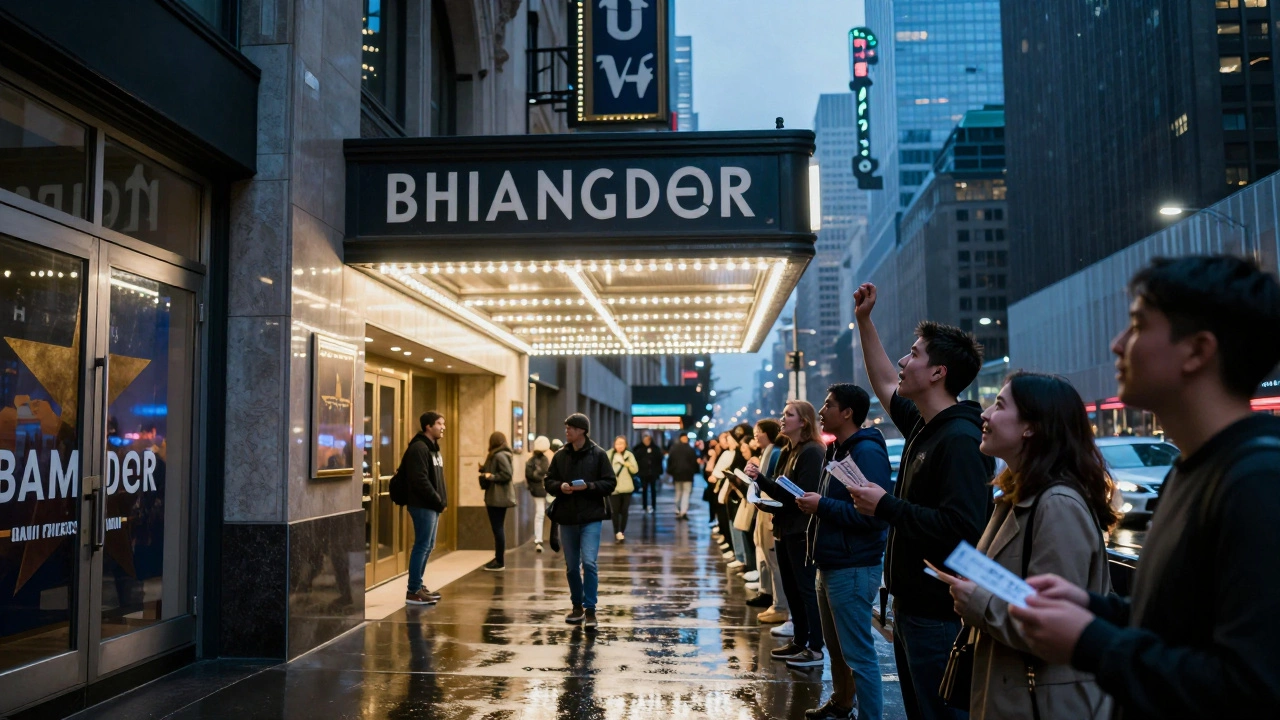
So, what do these shows have in common? First, they have strong brands. People know what they are getting. Second, they offer spectacle. Whether it is the chandelier in Phantom, the puppets in Lion King, or the dancing in Chicago, there is a visual hook. Third, they have emotional resonance. They tell stories that connect with universal themes: love, loss, ambition, and redemption.
Finally, they are smart businesses. They tour extensively. They license their productions to regional theaters. They create merchandise. They expand into films. The biggest musicals are not just plays; they are media franchises.
The Future of Big Musicals
As we move further into the 2020s, the landscape is changing. Streaming services are producing filmed versions of stage shows. New technologies like augmented reality are being tested in live performances. But the core desire remains the same. People want to gather in a room and experience a story together. The biggest musicals ever succeeded because they mastered that communal experience while delivering something visually and emotionally unforgettable.
Whether you prefer the classic elegance of Phantom, the hip-hop energy of Hamilton, or the family-friendly magic of Lion King, these shows have earned their place in history. They are not just entertainment; they are landmarks in the cultural map.
What is the longest-running musical in history?
The Phantom of the Opera is the longest-running musical in both Broadway and West End history. It ran for 35 years in London and over 30 years in New York before closing in 2023.
Which musical has made the most money?
The Lion King is the highest-grossing musical of all time, having earned billions of dollars worldwide since its premiere in 1997.
Is Hamilton still running on Broadway?
Yes, Hamilton continues to run on Broadway at the Richard Rodgers Theatre. It remains one of the most popular and expensive tickets to buy in New York City.
Why did Cats close in so many cities?
Cats closed in many cities due to aging infrastructure, high maintenance costs for special effects, and shifting audience tastes. However, a major revival is planned for the future.
What is the difference between Broadway and West End?
Broadway refers to professional theater productions in New York City, primarily in Manhattan. The West End refers to similar productions in London's theater district. Both are considered the pinnacle of English-language commercial theater.
Can I see these musicals outside of New York or London?
Yes, most of these shows tour nationally and internationally. Chicago and The Lion King, in particular, have frequent touring productions that visit cities around the world.