Artwork Pricing Calculator
Enter your production details below to determine a baseline price for your piece.
Valuation Results
Fill in the fields to see your estimated artwork price breakdown.
Imagine you’ve spent weeks perfecting a piece. You know it’s your best work yet. Then you post it, or send it out, and... silence. The scroll continues. The inbox stays empty. It’s frustrating, but here is the truth: talent alone doesn’t guarantee visibility anymore. In 2026, getting your artwork noticed requires a mix of strategic presentation, community building, and smart use of both digital and physical spaces.
You don’t need to be famous to start. You just need a plan that cuts through the noise. Whether you paint, sculpt, or create digital media, the path to being seen involves understanding where eyes are actually looking today.
Mastering the Digital First Impression
Your online presence is often the first thing collectors, curators, and fellow artists see. If your digital home base is messy or unclear, people bounce. Start with your portfolio website. It should be clean, fast, and focused on your work, not your biography. Use high-resolution images that show texture and detail. On platforms like Instagram or TikTok, video content reigns supreme. Short clips showing your process-the brushstroke, the clay shaping, the layering-perform better than static posts because they tell a story.
Don't just post; engage. Reply to comments. Ask questions in captions. Join niche hashtags relevant to your specific style, such as #WatercolorLandscape or #DigitalPortraitArt, rather than generic tags like #Art. This puts your work in front of people who actually care about that medium. Consistency matters more than frequency. Posting three times a week with quality content beats posting daily with filler.
The Power of Local Art Exhibitions
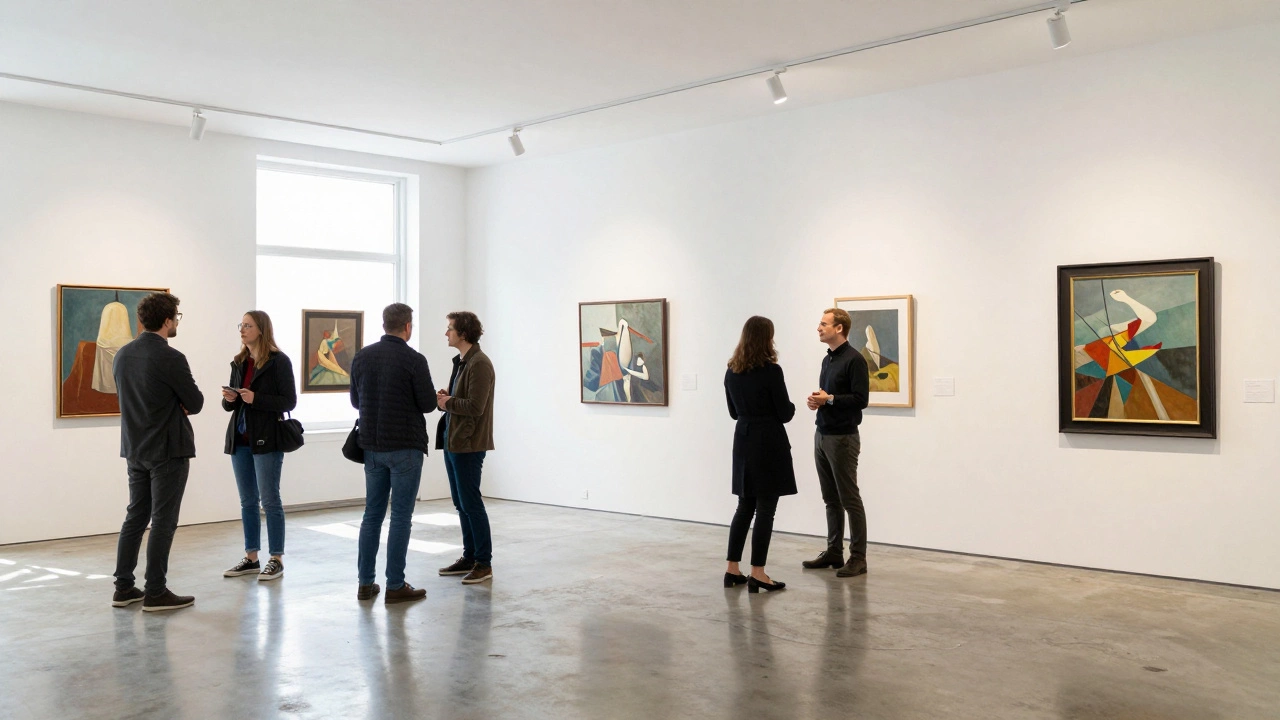
While social media builds an audience, local art exhibitions build credibility. There is no substitute for standing next to your work in a room with other serious artists. Start small. Look for open calls at local galleries, community centers, or even cafes in Wellington or your nearest city. These venues often have lower barriers to entry and are eager to support emerging talent.
Participating in group shows allows you to network with curators and other artists. When you attend opening nights, bring business cards or QR codes linking to your portfolio. Talk to people. Don’t sell them on the spot; introduce yourself and your practice. Many gallery owners scout these smaller events for fresh voices. If you can’t find an exhibition, propose one. Curate a themed show with three other local artists. It demonstrates initiative and leadership, traits that attract attention from larger institutions.
Building Relationships, Not Just Followers
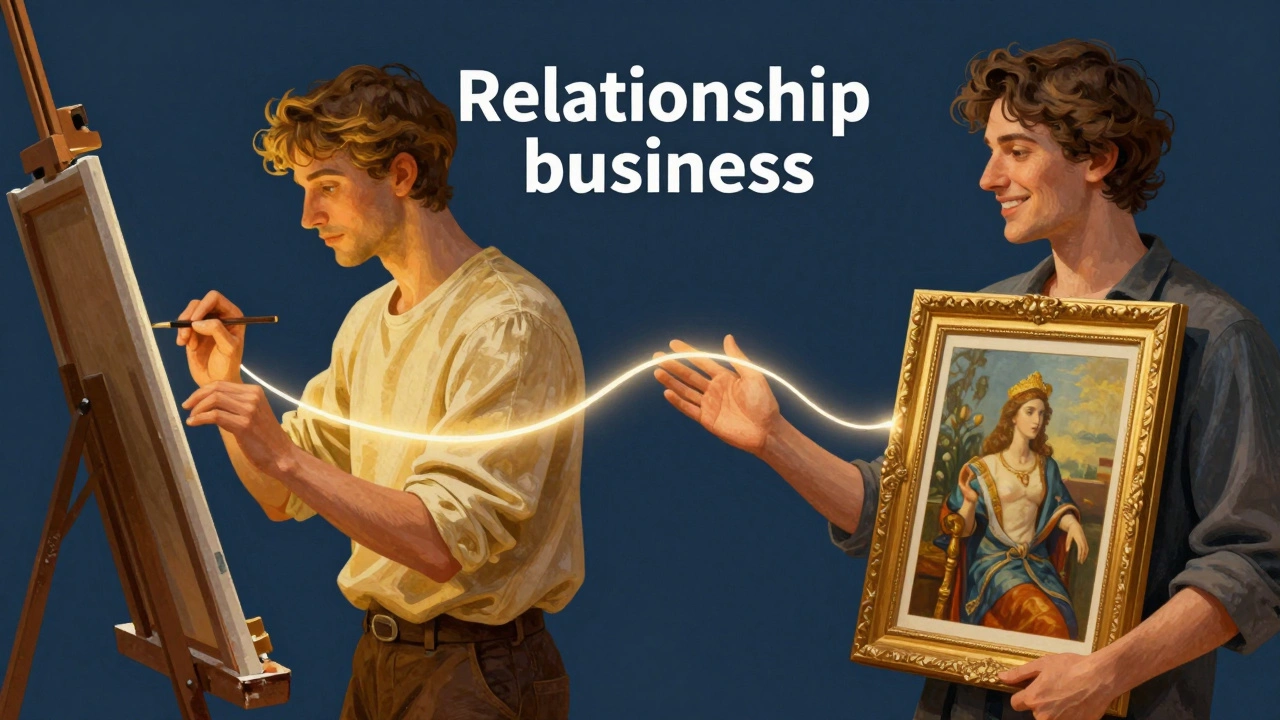
Art is a relationship business. Collectors buy from people they trust and connect with. Nurture your email list. Social media algorithms change, but your email list is yours. Send monthly updates about new works, studio visits, or upcoming shows. Keep it personal. Share why you made a piece, not just what it costs.
Reach out to arts organizations, cultural councils, and non-profits. Offer to donate a piece for their silent auctions. This gets your work into the hands of potential patrons who value community engagement. Follow up with thank-you notes. These small gestures create lasting impressions. Remember, every person who sees your art is a potential advocate. Treat them with respect and authenticity.
Understanding the Collector Mindset
To get noticed by buyers, you must understand what they want. Most collectors aren’t just buying a canvas; they’re buying a story, an emotion, or a status symbol. Frame your work professionally. Presentation signals value. Provide certificates of authenticity and clear pricing if appropriate. For higher-end pieces, consider offering payment plans. This removes friction for serious buyers who may be hesitant about large upfront costs.
Learn to talk about your work without jargon. Explain the inspiration, the technique, and the meaning in simple terms. If a collector asks, “Why this color?” give a thoughtful answer, not a technical lecture. Connecting emotionally leads to sales. Track who buys your work and maintain those relationships. Repeat customers are the backbone of a sustainable art career.
Leveraging Alternative Platforms
Traditional galleries aren’t the only route. Online marketplaces like Saatchi Art, Artsy, or Etsy provide global reach. Each platform has its own audience. Saatchi attracts serious contemporary collectors, while Etsy suits prints and affordable originals. Optimize your listings with keywords that describe your style, medium, and subject matter. Use natural lighting for photos. Avoid filters that distort colors.
Consider print-on-demand services for limited editions. This allows fans who can’t afford an original to still own a piece of your work. It keeps cash flow steady and expands your brand recognition. However, keep your originals exclusive to maintain their perceived value. Balance accessibility with scarcity.
How do I price my artwork correctly?
Pricing depends on size, materials, experience, and demand. A common formula is (hourly wage x hours spent) + cost of materials. Adjust based on your reputation and comparable artists. Research local gallery prices to stay competitive. Never undervalue your work, as it sets a precedent for future sales.
Should I use Instagram or a website?
Use both. Instagram drives discovery and engagement, while your website serves as your professional portfolio and sales hub. Link your bio directly to your site. Use Instagram to tease new work and direct traffic to your website for detailed information and purchases.
How can I find open calls for exhibitions?
Subscribe to newsletters from arts councils, follow galleries on social media, and use platforms like CallForEntries.com or Submittable. Set up Google Alerts for "open call" plus your medium. Networking with other artists also reveals unadvertised opportunities.
Is it worth joining an artist collective?
Yes, if aligned with your goals. Collectives share resources, promote each other’s work, and organize joint exhibitions. They provide community support and visibility. Ensure the collective’s values match yours before committing time and energy.
What makes a strong artist statement?
A strong statement is concise, clear, and personal. Explain your themes, techniques, and motivations without academic jargon. Keep it under 300 words. Update it as your practice evolves. It helps viewers and collectors understand the context behind your work.