Exhibition Readiness Checker
Use this tool to evaluate if you are ready to approach galleries or apply for juried shows. Answer the questions below to receive a personalized readiness score and strategic advice.
Readiness Level
Strategic Advice:
You’ve spent months in the studio. The paint is dry, the frames are hung, and your work feels ready for the world. But then you hit the wall that stops most emerging artists cold: how do you actually get into a show? It’s not just about talent; it’s about strategy, networking, and knowing where to look. If you’re staring at your finished pieces wondering who will see them, you’re asking the right question.
Getting your art exhibited isn’t luck-it’s a process. Whether you’re aiming for a prestigious commercial gallery or a local community center, the steps involve identifying opportunities, crafting a compelling pitch, and understanding the business side of showing work. This guide breaks down exactly how to navigate that path without losing your mind or your savings.
Key Takeaways
- Know your venue type: Commercial galleries, non-profits, and alternative spaces have different expectations and budgets.
- The portfolio is king: Your CV and artist statement matter, but strong, cohesive images sell the work.
- Start small: Open calls and juried shows are low-risk entry points that build credibility.
- Network locally: Attending openings in your city (like Wellington) creates connections that lead to invitations.
- Read the fine print: Always clarify costs, insurance, and sales commissions before signing anything.
Understanding the Types of Exhibition Venues
Before you start emailing galleries, you need to know what kind of space fits your current career stage. Not every venue is looking for the same thing, and misreading the room wastes everyone’s time.
Choosing the wrong venue can feel like shouting into a void. If you’re painting large-scale abstract oils, a tiny coffee shop window might not do them justice. Conversely, if you’re doing intricate digital prints, a massive warehouse space might swallow them whole. Match the scale and vibe of your work to the space.
Finding Opportunities: Where to Look
Most artists make the mistake of waiting for opportunities to come to them. They don’t. You have to hunt for them. Here are the three most effective channels for finding art exhibition slots.
- Open Calls and Juried Shows: These are competitions where an external curator selects winners. Platforms like CaFé, New Zealand Artists Directory, or international sites like Artland list these regularly. Winning or being selected gives you a stamp of approval that other curators notice.
- Direct Submissions: Research galleries that represent artists whose work you admire. Check their website for "Submissions" or "Call for Artists." If they don’t explicitly say no, send a professional inquiry. Keep it brief: link to your website, attach a PDF portfolio, and write a two-paragraph email explaining why your work fits their roster.
- Local Arts Councils: In places like Wellington, local councils often run grants or subsidized exhibition spaces. Check your regional arts council’s website for deadlines. These opportunities are often overlooked by big-city artists, giving you a better shot.
Pro tip: Set up alerts. Don’t check websites manually every week. Use tools like Feedly or simple email alerts for keywords like "call for entries" plus your medium (e.g., "ceramics call for entries"). This saves hours of scrolling.

Crafting Your Submission Package
When you find an opportunity, the competition is fierce. Curators receive hundreds of submissions. Yours needs to be effortless to review. If they have to dig for information, they’ll skip you.
Your package should always include three things:
| Component | Purpose | Common Mistake |
|---|---|---|
| High-Res Images | Shows the actual quality and color accuracy of the work. | Using phone photos with bad lighting or shadows. |
| Artist Statement | Explains the "why" behind the work in plain language. | Using overly academic jargon that hides the meaning. |
| CV (Curriculum Vitae) | Lists education, past exhibitions, and awards. | Listing every school workshop ever attended. |
Let’s talk about images. This is non-negotiable. Your artwork must be photographed professionally or with meticulous care. Flat lighting, neutral backgrounds, and accurate color correction are essential. If your paintings are glossy, manage the glare. If you’re doing sculpture, show multiple angles. A blurry photo suggests a sloppy artist, regardless of how good the piece is in person.
Your artist statement should be short-150 to 300 words max. Avoid phrases like "I explore the dichotomy of existence." Instead, say what you do and why it matters. For example: "I use reclaimed timber to map the history of coastal erosion in New Zealand." That’s concrete. It tells the curator exactly what they’re looking at and why it has context.
The Power of Networking and Visibility
Here’s a hard truth: many exhibitions aren’t filled through open calls. They’re filled because someone invited the artist. Building relationships with curators, gallerists, and other artists is crucial.
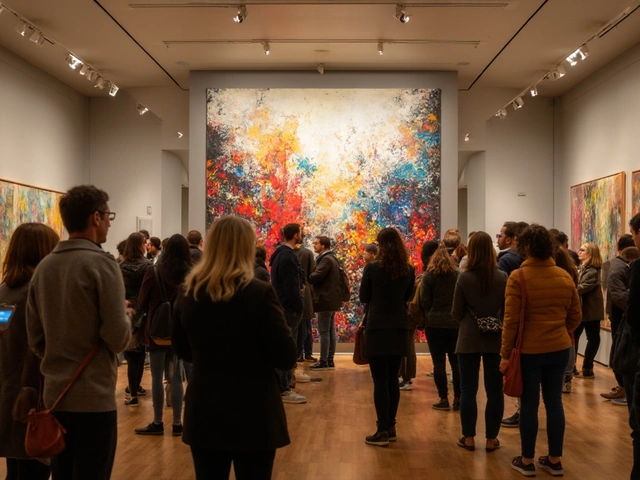
You don’t need to be a social butterfly, but you do need to be present. Attend openings in your city. Go to talks. When you meet a curator, don’t immediately shove your portfolio in their face. Ask questions about their current show. Show genuine interest. Follow up with a polite email mentioning the conversation. Over time, these weak ties become strong ones.
Social media also plays a role, but it’s secondary to real-world interaction. Instagram is essentially your online business card. Keep it updated with recent work, studio shots, and announcements. Tag locations and relevant hashtags so local curators can find you. But remember: likes don’t pay rent. Focus on converting online attention into offline conversations.

Navigating Costs and Contracts
Once you’re accepted, the reality of costs hits. Who pays for framing? Shipping? Insurance? Installation?
In a commercial gallery setting, the gallery often handles installation and marketing, but you might still pay for shipping and insurance. In non-profit or alternative spaces, you might be responsible for everything except the wall space. Always ask for a written agreement. Even if it’s informal, an email confirming terms protects you.
Watch out for "pay-to-play" scams. Some shady organizations charge high fees to exhibit but offer little in return. Compare the fee against the value provided: Is there a catalog? Is there press coverage? Is there a sales commission structure? If they want $500 just to hang your work in a back room with no audience, think twice.
After the Show: Leveraging Success
The exhibition isn’t over when the doors close. This is where you convert viewers into collectors and contacts into future opportunities.
- Collect emails: Have a sign-in sheet or a QR code linking to your mailing list. Never let a potential buyer leave without a way to contact you.
- Document everything: Take photos of the installed show. Post them on social media. Send thank-you notes to the organizer.
- Follow up on leads: If someone expressed interest, email them within 48 hours. Mention the specific piece they liked. Offer to hold it or send more details.
Every show builds your momentum. One small group show leads to a solo proposal. A solo proposal leads to a residency. It’s a snowball effect, but only if you keep pushing.
Do I need a degree in art to get into exhibitions?
No, absolutely not. While an MFA can help with academic contexts and teaching jobs, most galleries and curators care primarily about the strength and consistency of your work. Many successful artists are self-taught. Focus on building a strong portfolio and gaining experience through open calls and local shows rather than worrying about credentials.
How much does it cost to submit to an exhibition?
Entry fees vary widely. Local community centers might charge $10-$20 per piece, while national juried shows can charge $30-$50. High-profile international competitions might charge more. Be wary of venues charging hundreds of dollars just for submission unless they guarantee significant exposure or prizes. Always read the benefits included in the fee.
What percentage do galleries take from sales?
The standard industry split is 50/50. The gallery keeps 50% to cover overheads, marketing, staff, and sales efforts. You receive 50%. Non-profit spaces may take a smaller commission (10-20%) or none at all, as they operate differently. Alternative spaces might not take any commission but also provide minimal support.
How long should my artist statement be?
Keep it between 150 and 300 words. Curators and readers have limited attention spans. A concise statement that clearly articulates your concept, materials, and intent is far more effective than a long, rambling essay. Write it in the first person and avoid excessive art theory jargon unless it directly clarifies your work.
Can I approach a gallery without an appointment?
It depends on the gallery's policy. Many reputable galleries prefer scheduled appointments for portfolio reviews to ensure they have enough time to give you proper feedback. Dropping in unannounced can sometimes be seen as intrusive, especially during busy opening nights. Check their website or call ahead to ask about their policy for unsolicited visits.