Glossy Oil Paint Medium Selector
Click on a medium below to see how it affects your painting's sheen and durability.
Choose a Medium
Analysis Result
Select a medium to view details
Medium Name
You mix your colors, apply them to the canvas, and wait. But when you step back, the surface looks flat, matte, or even chalky. You wanted that deep, wet look that makes colors pop, but it’s not there. The secret isn’t just in the pigment; it’s in what you add to it. Oil paint mediums are additives that modify the properties of oil paints, including viscosity, drying time, and sheen. To achieve a true glossy finish, you need to understand which mediums increase reflectivity and how they interact with the binder.
The Science of Sheen: Why Some Oils Shine
Before grabbing a bottle, it helps to know why gloss happens. Oil paints consist of pigments suspended in a drying oil. As the oil oxidizes and hardens, it forms a film. If that film is smooth and dense, light reflects off it like a mirror, creating gloss. If the film is porous or rough, light scatters, resulting in a matte finish. The key variable here is the refractive index of the binder. Higher refractive index materials bend light more, increasing perceived brightness and shine. Linseed oil has a moderate refractive index, while resins like Damar have higher indices, making them ideal for enhancing gloss.
Top Mediums for a Glossy Finish
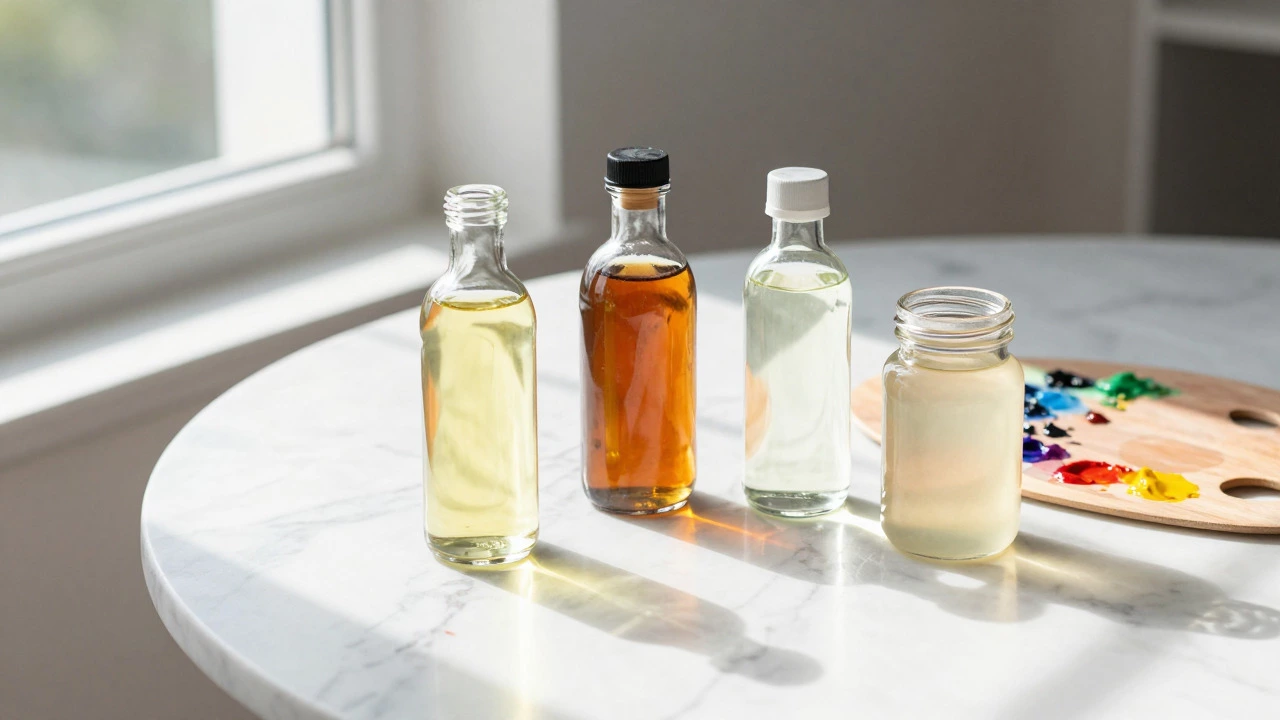
Not all mediums are created equal. Some thin the paint without changing the sheen, while others actively boost it. Here are the most effective options for artists seeking a high-gloss result.
- Linseed Oil: The classic choice. It slows drying time slightly and increases the natural gloss of the paint. It’s safe for underpaintings and glazes. However, pure linseed oil can yellow over time, so use it sparingly if color stability is a priority.
- Damar Varnish (in solvent): This is the gold standard for final gloss. Damar resin is a natural tree sap that dries clear and hard. When mixed with turpentine or mineral spirits, it creates a fluid medium that significantly boosts sheen. It’s often used as a final coat or mixed into top layers.
- Galkyd Medium: A synthetic alternative to traditional oils. Galkyd is known for its clarity and ability to maintain color vibrancy. It dries faster than linseed oil and provides a consistent, semi-to-full gloss finish without excessive yellowing.
- Copernicium: Another synthetic option that offers excellent flow and a high-gloss finish. It’s popular among contemporary painters who want a modern, durable layer with minimal odor.
Application Techniques for Maximum Shine
Choosing the right medium is only half the battle. How you apply it matters just as much. Applying too much medium can lead to cracking later, while too little won’t give you the desired effect. Here’s how to do it right.
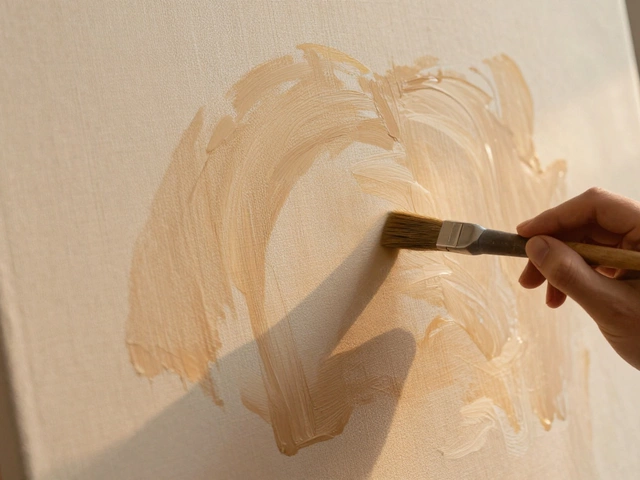
- Prepare Your Surface: Ensure your canvas or panel is properly primed. Unprimed wood or raw linen will absorb the oil, killing the gloss before it even starts.
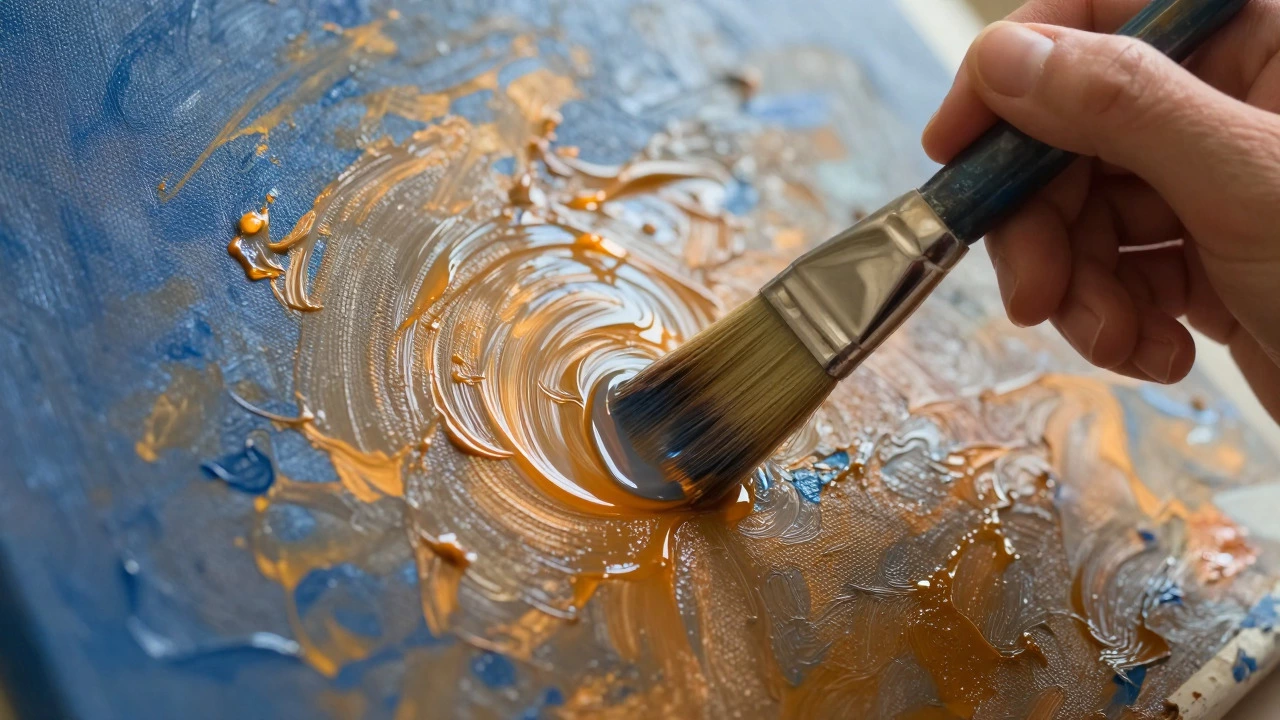
- Mix Small Batches: Add one part medium to three parts paint. Start with less; you can always add more, but removing excess is difficult.
- Apply Thin Layers: Build up gloss through multiple thin glazes rather than one thick impasto layer. Thick layers trap air bubbles, which create a dull, pitted surface.
- Work Wet-on-Wet: For the highest gloss, keep your layers wet. If the previous layer is dry, the new layer may not bond smoothly, leading to uneven sheen.
- Varnish at the End: Even with glossy mediums, a final coat of retouch varnish or Damar varnish after the painting is fully cured (6-12 months) ensures uniform protection and maximum shine.
Common Mistakes That Kill Your Gloss
Even experienced painters ruin their sheen by accident. Watch out for these pitfalls.
- Using Matte Primers: If you start with a gesso that has added chalk or silica for tooth, you’re fighting an uphill battle. Use a satin or gloss acrylic primer for oil paintings if you want a reflective base.
- Over-Thinning: Adding too much solvent or medium weakens the structural integrity of the paint film. This leads to micro-cracks that scatter light, reducing gloss.
- Dust and Debris: A single speck of dust on a wet glossy layer becomes a permanent flaw. Work in a clean environment or cover your work between sessions.
- Inconsistent Application: Brushing in different directions or applying medium unevenly creates visible streaks. Use a soft, wide brush and apply with steady, overlapping strokes.
Comparing Popular Glossy Mediums
To help you decide, here’s a quick comparison of the top contenders based on key attributes that affect your final artwork.
| Medium | Drying Time | Gloss Level | Yellowing Risk | Best Use Case |
|---|---|---|---|---|
| Linseed Oil | Slows down | High | High | Underpaintings, glazes |
| Damar Varnish Mix | Fast | Very High | Low | Final coats, top layers |
| Galkyd Medium | Normal/Fast | High | Low | All-over application |
| Copernicium | Fast | High | Very Low | Contemporary works, large formats |
Long-Term Durability and Maintenance
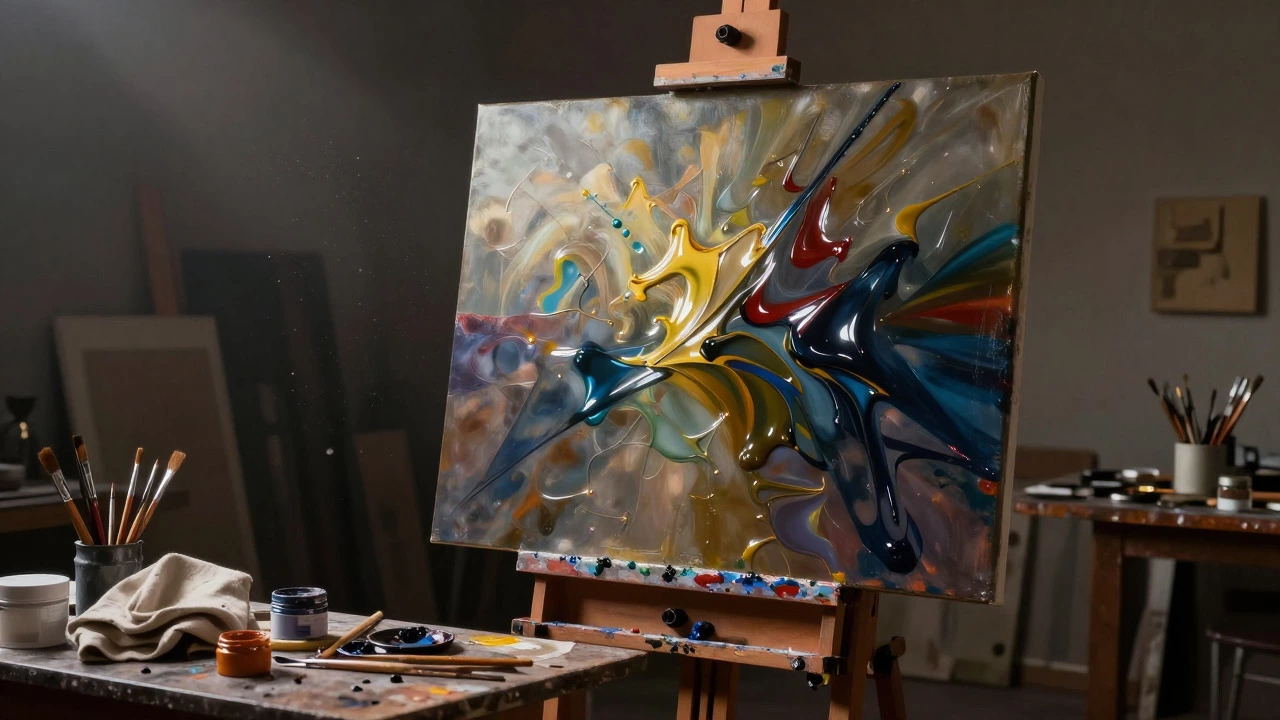
A glossy finish isn’t just about how it looks today; it’s about how it ages. Natural oils like linseed continue to darken and yellow over decades. Synthetic mediums like Galkyd and Copernicium are more stable but still require protection. Always apply a final varnish once the painting is fully cured. This barrier protects the paint from UV light, dust, and physical abrasion. Remember, gloss can be restored by cleaning and re-varnishing, but damage caused by poor medium selection is often permanent. Choose your medium based on both immediate aesthetic goals and long-term preservation needs.
Frequently Asked Questions
Can I use water-based mediums for a glossy oil paint finish?
Generally, no. Water-based mediums are designed for acrylics. Mixing them with oil paints can cause separation and instability. Stick to oil-based or alkyd-based mediums for reliable results.
How long should I wait before varnishing a glossy oil painting?
Wait at least 6 to 12 months. While the surface may feel dry in weeks, the internal oxidation process takes much longer. Varnishing too early can trap moisture and solvents, leading to cloudiness or cracking.
Does adding more medium always make the paint glossier?
No. There is a limit to how much medium the pigment can hold. Excess medium can seep out during drying, creating a sticky residue or causing the paint film to become weak and prone to flaking. Follow the manufacturer’s recommended ratios.
Which medium is best for large-scale oil paintings?
Synthetic mediums like Copernicium or Galkyd are often preferred for large works because they dry faster and offer better flexibility. This reduces the risk of sagging or cracking on expansive canvases while maintaining a consistent gloss.
Can I switch between matte and glossy mediums in the same painting?
Yes, but do it strategically. Use matte mediums for background areas and glossy mediums for focal points to draw the eye. Just ensure the layers are compatible and allow each to dry sufficiently to avoid mixing issues.